


Can anxiety disorder cause heart disease?
Nov 21, 2025
Source: Cainiu Health

Dr. Zhang Baohua
Introduction
In general, anxiety disorder does not directly cause heart disease, but long-term uncontrolled anxiety can increase the risk of developing heart problems and may trigger physical symptoms similar to those of heart disease. Emotions can be regulated in daily life through exercise, meditation, and other methods to avoid prolonged states of tension. Maintaining regular sleep patterns, eating a balanced diet, and reducing caffeine and alcohol intake are also recommended.
Generally speaking, anxiety disorder does not directly cause heart disease, but long-term uncontrolled anxiety can increase the risk of developing heart problems and may trigger physical symptoms resembling those of heart disease. The detailed analysis is as follows:
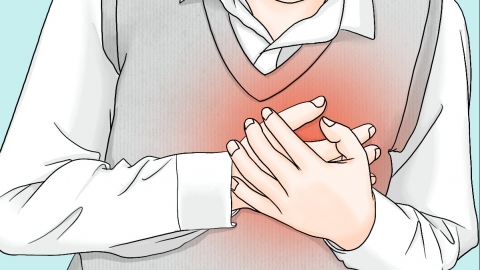
Anxiety disorder is often accompanied by autonomic nervous system dysfunction, manifesting as symptoms such as palpitations, chest tightness, and chest pain. These symptoms are similar to those during a heart attack and can easily be confused with cardiac events, although they do not result from structural or functional organic damage to the heart. However, chronic anxiety can lead to persistently elevated blood pressure and increased heart rate, placing extra strain on the heart, damaging vascular endothelium, and thereby increasing the likelihood of developing heart conditions such as coronary artery disease and arrhythmias. Additionally, individuals with anxiety are more likely to adopt unhealthy habits like smoking, excessive alcohol consumption, and sleep deprivation, further exacerbating cardiovascular risks.
In daily life, managing emotions through exercise, meditation, and other relaxation techniques can help prevent prolonged states of tension. Maintaining regular sleep patterns, eating a balanced diet, reducing caffeine and alcohol intake, and regularly monitoring vital signs such as blood pressure and heart rate can effectively reduce the negative impact of anxiety on the cardiovascular system.


