


Symptoms of Sudden Cardiac Death
Aug 03, 2022
Source: Cainiu Health

Dr. Li Man
Introduction
Symptoms preceding sudden cardiac death often include a sudden increase in heart rate; if ventricular tachycardia occurs, death may ensue within a short period. Prior to a heart attack, common symptoms include unprovoked chest pain, pain in the shoulders and upper back, shortness of breath, persistent fatigue for several consecutive days, anxiety, and profuse sweating on the neck and back. Recurrent gastrointestinal symptoms—despite no prior history of gastric disease—are also one potential indicator of an impending heart attack.
Heart disease is primarily categorized into organic heart diseases, including common conditions such as coronary artery disease, cardiomyopathy, and valvular heart disease. It may also result from excessive mental stress, heavy smoking or alcohol consumption, or autoimmune system abnormalities. In severe cases, it can lead to sudden cardiac death. So, what are the symptoms of sudden cardiac death?
Symptoms of Sudden Cardiac Death
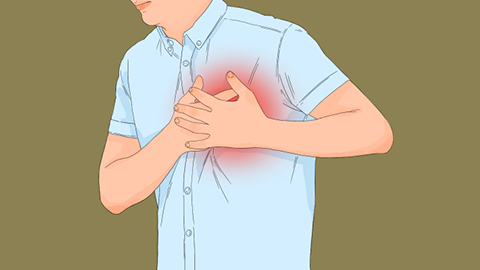
Premonitory symptoms of sudden cardiac death often include sudden tachycardia (rapid heartbeat). If ventricular tachycardia occurs, death may ensue within a short period. Prior to a cardiac event, patients commonly experience unprovoked chest pain, pain in the shoulders or upper back, dyspnea (shortness of breath), persistent fatigue over several days, anxiety, and profuse sweating on the neck and back. Some patients repeatedly exhibit gastrointestinal symptoms—such as nausea or abdominal discomfort—even without a prior history of gastrointestinal disease, which may signal an impending cardiac event. Others may present with atypical symptoms including toothache, jaw pain, or a sensation of tightness in the throat.
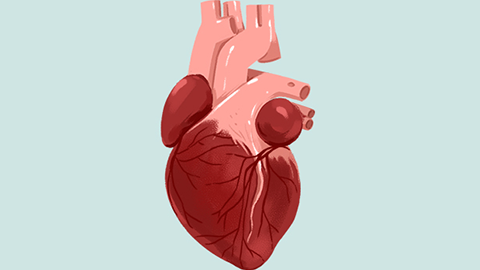
Both coronary artery disease and cardiomyopathy carry a risk of sudden cardiac death, and the incidence is relatively high. In clinical practice, the most urgent and life-saving intervention for patients experiencing sudden cardiac death is prompt initiation of cardiopulmonary resuscitation (CPR). The earlier CPR is performed, the better the patient’s chances of survival. Delayed CPR significantly worsens prognosis.
In daily life, maintain emotional calmness—avoid excitement or tension—as these states may adversely affect heart rate and circulation. We hope this information proves helpful to you!






