


How to Tonify Qi Deficiency
Aug 03, 2022
Source: Cainiu Health

Dr. He Haochen
Introduction
For blood deficiency, under a physician’s guidance, one may take Tie Zhi Yuan Pian (an iron supplement containing Ejiao) to replenish blood and iron. Generally, this can improve symptoms of blood deficiency—such as pallor or sallow complexion, dizziness, and fatigue—within approximately one month. Women with blood deficiency should consume more jujubes (Chinese dates), goji berries, peanuts, and longan. For dysmenorrhea, brown sugar–ginger tea and durian may be helpful. Commonly used herbal formulas include Si Wu Tang (Four-Ingredient Decoction) and Dang Gui (Chinese angelica).
Qi deficiency and blood deficiency commonly occur in many women. The primary symptoms of qi and blood deficiency include fatigue, pallor, and a pale tongue. Such deficiencies can significantly impact overall health. So, how can one replenish qi?
How to Replenish Qi
For blood deficiency, iron-containing Jie Zhi Yuan Pian (a traditional Chinese medicine formulation containing collagen from donkey-hide gelatin, or ejiao) may be taken under a physician’s guidance to replenish blood and iron. Typically, this helps improve symptoms of blood deficiency—such as sallow or pale complexion, dizziness, and fatigue—within approximately one month. Women with blood deficiency should consume more jujubes (Chinese dates), goji berries, peanuts, and longan. For dysmenorrhea, brown sugar–ginger tea and durian may offer relief. Commonly prescribed herbal formulas include Si Wu Tang (Four-Substance Decoction), Angelica sinensis (Dang Gui), white peony root (Bai Shao), and Sichuan lovage rhizome (Chuan Xiong). Qi deficiency is primarily caused by constitutional (congenital) weakness or malnutrition. It manifests clinically as heart-qi deficiency, spleen-qi deficiency, or kidney-qi deficiency, typically presenting with generalized weakness, pallor, shortness of breath, and limb fatigue.
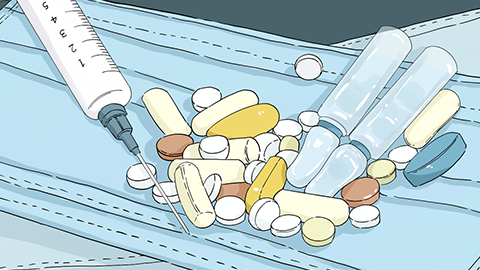
Traditional Chinese medicine (TCM) therapeutic modalities may be selected to alleviate qi deficiency. Acupuncture, tailored to individual symptoms, is particularly effective; commonly used acupoints include Qihai (CV6), Guanyuan (CV4), Shanzhong (CV17), Zusanli (ST36), and Hegu (LI4). Dietary therapy is also beneficial: consuming nutrient-rich foods regularly helps address qi deficiency—for example, foods rich in protamine, healthy fats, and dietary fiber. Avoid foods that are difficult to digest, greasy, or spicy.
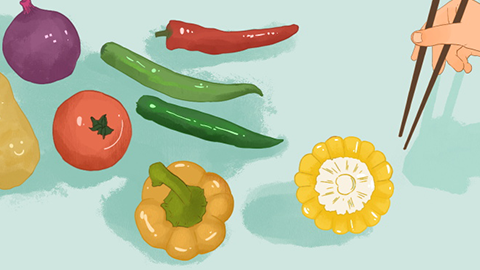
Patients are advised to follow a light, bland diet, avoid spicy and stimulating foods, abstain from tobacco and alcohol, maintain regular sleep patterns, and avoid staying up late. We hope this information proves helpful.


