


What Causes Tonsillitis?
Aug 04, 2022
Source: Cainiu Health

Dr. Wang Bing
Introduction
Tonsillitis may be caused by infection with beta-hemolytic streptococcus. However, other pathogens—including *Staphylococcus*, *Streptococcus pneumoniae*, and adenovirus—can also cause tonsillitis. In clinical practice, mixed bacterial and viral infections are relatively common, and even anaerobic infections have been reported. Risk factors include exposure to cold temperatures, high ambient humidity, excessive fatigue, heavy smoking or alcohol consumption, or inhalation of toxic or harmful gases.
The tonsils remain critically important to the human body. They help defend the mouth and nose against invading bacteria and viruses. However, due to their relatively unique anatomical location, the tonsils are also more susceptible to external pathogens. So, what causes tonsillitis?
Causes of Tonsillitis
Tonsillitis is often caused by infection with beta-hemolytic streptococcus. Nevertheless, other pathogens—including Staphylococcus aureus, Streptococcus pneumoniae, and adenoviruses—can also trigger tonsillitis. In clinical practice, mixed bacterial and viral infections are relatively common, and even anaerobic infections have been reported. Systemic or local immune resistance may decline under conditions such as exposure to cold, high ambient humidity, excessive fatigue, heavy smoking or alcohol consumption, or inhalation of toxic or harmful gases and dust. This compromised immunity allows pathogens to invade the body and proliferate, leading to disease. Chronic tonsillitis typically results from recurrent episodes of acute tonsillitis, enabling bacteria to colonize and multiply within the tonsillar crypts. Additionally, certain acute infectious diseases—including scarlet fever, diphtheria, influenza, and measles—may also contribute to the development of chronic tonsillitis.
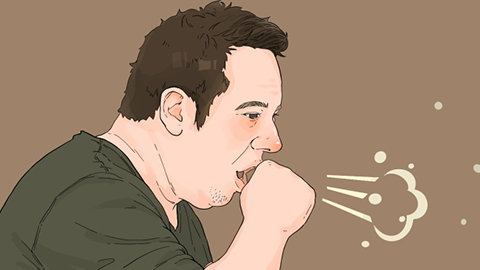
Tonsillar inflammation is primarily infectious in origin and may be caused by either bacterial or viral pathogens. Common precipitating factors include prolonged fatigue, excessive consumption of spicy foods, heavy smoking or alcohol intake, and upper respiratory tract infections (e.g., common cold). For mild cases of tonsillitis, oral medications are usually sufficient; amoxicillin and antiviral oral solutions may be used for symptomatic treatment. In cases presenting with obvious signs such as tonsillar abscess formation or high fever, intravenous fluid therapy is recommended. If clinical response remains suboptimal, corticosteroids—such as dexamethasone—may be added at the clinician’s discretion. During active tonsillitis, patients should follow a light, easily digestible diet, maintain adequate hydration, and ensure sufficient rest. Antipyretics are advised if body temperature exceeds 38.5°C.

Numerous additional factors can contribute to tonsillitis, and fever is a common accompanying symptom requiring appropriate antipyretic management. Although the tonsils serve an important immunological function, individuals experiencing frequent or recurrent tonsillitis may be candidates for surgical tonsillectomy. We hope this information proves helpful to you.





