What Causes Tonsillitis?
Aug 24, 2022
Source: Cainiu Health

Dr. Zhang Liwen
Introduction
Tonsillitis is commonly caused by viral or bacterial infections, with common pathogens including *Streptococcus pneumoniae*, *Staphylococcus aureus*, and *Streptococcus pyogenes* (beta-hemolytic streptococcus). These bacteria normally reside in the pharynx and tonsillar crypts. Under healthy conditions—when the tonsillar epithelial surface remains intact and mucous glands continuously secrete mucus—bacteria and desquamated epithelial cells are effectively expelled from the crypts, thereby maintaining normal tonsillar health.
Most adolescents experience tonsillitis. Following inflammation of the tonsils, patients may develop dysphagia (difficulty swallowing) and loss of appetite. So, what causes tonsillitis?
What Causes Tonsillitis?
Tonsillitis is typically caused by viral or bacterial infections. Common causative pathogens include Streptococcus pneumoniae, Staphylococcus aureus, and Streptococcus pyogenes (beta-hemolytic streptococcus). These bacteria normally reside in the pharynx and within the crypts of the tonsils. Under healthy conditions—when the tonsillar epithelial surface remains intact and mucous glands continuously secrete mucus—bacteria and desquamated epithelial cells are effectively expelled from the crypts, thereby maintaining normal tonsillar health. However, damage to the tonsillar epithelial surface can facilitate bacterial invasion and subsequent inflammation.
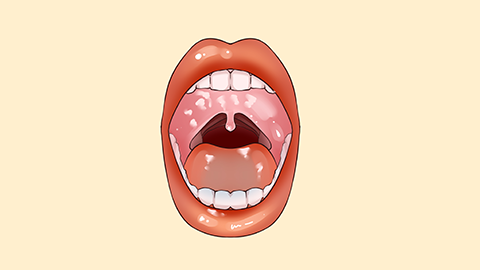
Physical or chemical stressors—including excessive fatigue, cold exposure, or local irritants—can compromise the body’s immune defenses. Under such conditions, blood flow to the tonsils decreases, glandular secretory function declines, and epithelial defense mechanisms weaken, rendering the tonsils more susceptible to inflammation. Concurrent conditions such as rhinitis, nasopharyngeal carcinoma, sinusitis, or pharyngitis also predispose individuals to tonsillitis.

Given the numerous potential causes of tonsillitis, it is essential to understand them thoroughly in daily life. This awareness helps avoid exposure to known risk factors and reduces the incidence of tonsillitis. Moreover, understanding the underlying etiology significantly enhances treatment efficacy. We hope this article has been helpful to you. Wishing you a joyful life and good health!