


Difference Between Astigmatic Lenses and Non-Astigmatic Lenses
Aug 04, 2022
Source: Cainiu Health

Dr. Chen You
Introduction
The difference between toric lenses and non-toric (spherical) lenses lies in the prism-based alignment method used in toric lenses: a base-oriented prism is incorporated into an otherwise standard lens design. This prism serves to stabilize the lens orientation, resulting in a thicker lens compared to a standard spherical lens. Consequently, toric lenses are more complex to clean and maintain than standard spherical lenses, which are relatively easy to wipe and clean.
Because studying requires reading textbooks, working involves using computers, and daily life often entails using smartphones, the prevalence of myopia is increasing—and the onset age is becoming progressively younger. Some individuals have astigmatism, while others have myopia. So, what is the difference between astigmatic (toric) lenses and non-astigmatic (spherical) lenses?
Difference Between Astigmatic and Non-Astigmatic Lenses
The key difference lies in their optical design: astigmatic lenses employ a prism-based orientation method—essentially incorporating a base-oriented prism into a standard spherical lens. This prism serves to stabilize the lens orientation; consequently, toric lenses are significantly thicker than conventional spherical lenses. Moreover, wear and tear on astigmatic lenses tends to be more complex than on standard lenses. While ordinary lenses are relatively easy to clean and wipe, astigmatic lenses—due to their specialized design—are more challenging and less convenient to maintain. Extra care must therefore be taken during cleaning; otherwise, the lenses may easily become damaged.
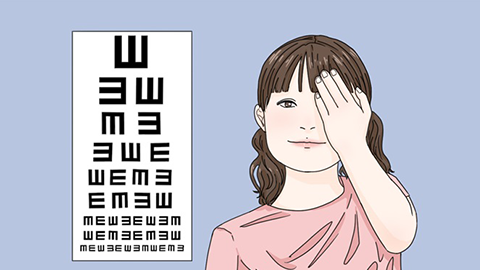
One of the early symptoms of astigmatism is reduced visual acuity—difficulty seeing clearly at both near and far distances. Some patients experience visual fatigue early on. When astigmatism affects both eyes asymmetrically—either in degree or axis—it may lead to abnormal head or eye positioning. Most patients report blurred vision at both near and far distances during early stages. The severity of astigmatism depends on its type, refractive power, and axis orientation. If astigmatism falls within the physiological range, it typically has no significant impact on distance or near vision. However, high-degree astigmatism causes marked visual impairment. Patients commonly experience eye strain, ocular heaviness, excessive tearing, and occasionally headaches, nausea, or vomiting. Because astigmatism creates dual focal points, resulting in image blur, the ciliary muscles must continuously make fine adjustments. Objects may appear distorted when viewed, leading readily to visual fatigue.

Individuals with astigmatism are advised to prioritize eye rest and maintain a healthy balance between work and relaxation. When eye fatigue occurs, they should promptly set aside their smartphones and rest their eyes. We hope this information proves helpful.





