


What Is the Difference Between Kidney Yin Deficiency and Kidney Yang Deficiency?
Aug 11, 2022
Source: Cainiu Health

Dr. He Haochen
Introduction
The distinction between Kidney Yin Deficiency and Kidney Yang Deficiency lies in their differing onset times and clinical manifestations. Symptoms of Kidney Yang Deficiency primarily include low back soreness, persistent coldness in the hands and feet, increased sensitivity to cold compared with normal, and may progress to severe manifestations such as edema, depression, and lethargy. Male patients may also experience sexual dysfunction—including erectile dysfunction—leading to diminished self-confidence.
Living standards have improved significantly in recent years; however, people’s immune function has declined. Many individuals neglect regular physical exercise and pay insufficient attention to dietary habits, leading to an increased incidence of various diseases. Kidney deficiency is a common clinical syndrome, yet it is often misunderstood—many people are unaware that kidney deficiency is subdivided into kidney yin deficiency and kidney yang deficiency. So, what distinguishes kidney yin deficiency from kidney yang deficiency?
What Is the Difference Between Kidney Yin Deficiency and Kidney Yang Deficiency?
The distinction between kidney yin deficiency and kidney yang deficiency lies primarily in their onset timing and symptom profiles. Kidney yang deficiency typically manifests as low back soreness or dull pain, persistent coldness in the hands and feet, heightened sensitivity to cold compared with normal, and may progress to severe symptoms such as edema, depression, lethargy, and diminished vitality. Male patients may also experience sexual dysfunction—including erectile dysfunction—which can adversely affect self-confidence.
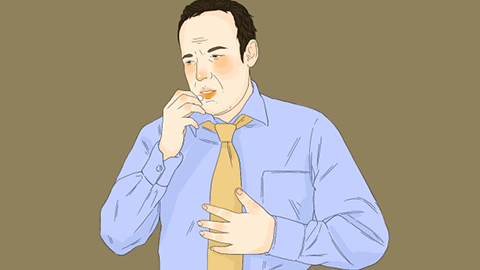
Kidney yin deficiency, by contrast, commonly presents with low back and leg pain, weakness in the legs and feet, irritability, dizziness, tinnitus, and weight loss. Patients often suffer from insomnia with frequent dreaming at night, night sweats, dry throat, and—among males—hyperactivity, spontaneous ejaculation, or premature ejaculation. Both kidney yin deficiency and kidney yang deficiency warrant attention, as they reflect underlying health imbalances.

Over time, additional symptoms may emerge, potentially impairing work performance and quality of life. Self-care strategies include adopting a balanced diet rich in nourishing foods, engaging in regular physical activity, and—under professional medical guidance—taking appropriate medications when necessary. We hope this information proves helpful.


