


Differences Between Kidney Yin Deficiency and Kidney Yang Deficiency
Aug 08, 2022
Source: Cainiu Health

Dr. He Haochen
Introduction
Kidney Yang deficiency and Kidney Yin deficiency can generally be differentiated based on symptomatology and tongue-pulse manifestations. Kidney Yang deficiency may present with low back soreness, fatigue, lassitude, listlessness, shortness of breath, reluctance to speak, generalized aversion to cold, cold limbs, frequent urination, loose stools, a pale tongue with a white coating, and a deep, slow, and weak pulse. In contrast, Kidney Yin deficiency commonly manifests as dizziness, tinnitus, flushed cheeks, dry mouth and thirst, and a sensation of heat in the palms, soles, and chest (“five-center heat”).
The health of the kidneys directly affects the abundance or deficiency of essence (Jing), Qi, and blood. Once kidney deficiency occurs, the body manifests a series of symptoms; particularly in men, poor kidney function often correlates with diminished sexual function. Kidney deficiency is further classified into two main patterns: Kidney Yang Deficiency and Kidney Yin Deficiency. So, what are the differences between Kidney Yin Deficiency and Kidney Yang Deficiency?
Differences Between Kidney Yin Deficiency and Kidney Yang Deficiency
Kidney Yang Deficiency and Kidney Yin Deficiency can generally be differentiated based on clinical symptoms as well as tongue and pulse findings. Kidney Yang Deficiency commonly presents with low back soreness, fatigue, lassitude, listlessness, shortness of breath, reluctance to speak, aversion to cold, cold limbs, frequent urination, loose stools, a pale tongue with a white coating, and a deep, slow, and weak pulse. In contrast, Kidney Yin Deficiency typically manifests as dizziness, tinnitus, flushed cheeks, dry mouth and thirst, heat sensations in the palms, soles, and chest (“five-center heat”), tidal fever, night sweats, dark yellow urine, constipation, a red tongue, and a fine, rapid pulse.
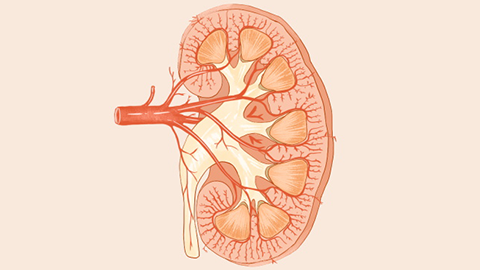
Kidney Yin Deficiency refers to a depletion or insufficiency of Kidney Yin. Patients commonly exhibit symptoms such as facial flushing, weight loss, tinnitus, or night sweats. Kidney Yang Deficiency, by contrast, denotes a weakening of Kidney Yang. Affected individuals often present with a sallow or dull complexion, general weakness, or—particularly in women—obesity, dysmenorrhea, or scanty, pale menstrual flow. Because disease severity varies among individuals, symptom presentation may also differ accordingly.
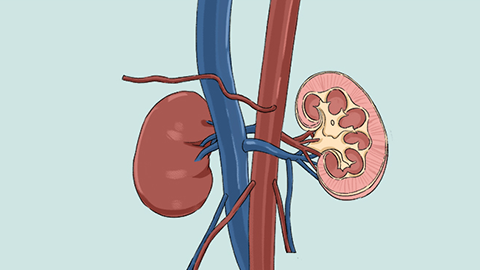
Patients are advised to cultivate healthy lifestyle habits and maintain a balanced diet, avoiding spicy and stimulating foods. We hope this information proves helpful to you.


