


Osteoporosis Treatment Plan
Aug 05, 2022
Source: Cainiu Health

Dr. Lin Yunfei
Introduction
Osteoporosis treatment regimens include basic therapy, supplemented as needed with calcitonin. In female patients, selective estrogen receptor modulators (SERMs) or hormone replacement therapy (HRT) may also be used. Subsequent treatment options include calcitonin, bisphosphonates, and ipriflavone. Fluorides and strontium salts are also viable—indeed, ideal—therapeutic agents. Because the extent and pattern of bone loss vary among individuals, treatment must be individualized.
Osteoporosis is a chronic, systemic bone disorder caused by multiple factors. Its primary clinical manifestations include low back pain and pathological fractures; vertebral deformities may also occur, leading to reduced height and kyphosis (hunchback). Osteoporosis can range from mild to severe, and many individuals suffer from advanced disease—so what constitutes an effective osteoporosis treatment plan?
Osteoporosis Treatment Plan
In addition to foundational therapies, calcitonin may be used in the management of osteoporosis. For female patients, selective estrogen receptor modulators (SERMs) or hormone replacement therapy (HRT) are additional options. Subsequent treatment may involve calcitonin, bisphosphonates, and teriparatide (a recombinant human parathyroid hormone analog—not isoproterenol, which appears to be an error in the original text). Fluorides and strontium ranelate may also be considered, though their use requires careful risk–benefit assessment. Note: The original text mistakenly refers to “osteophyte formation” (bone spurs), which is unrelated to osteoporosis; common treatments for osteophytes include pharmacotherapy, massage, traction, laser or needle-knife release, surgical excision, and traditional Chinese medicine. As osteophyte severity and location vary among individuals, treatment must be individualized—patients should select appropriate interventions based on their specific clinical presentation.
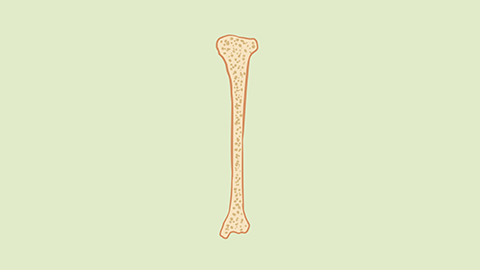
Pain, fatigue, spinal deformity, and fragility fractures are the most characteristic clinical features of osteoporosis. Growth arrest may occur in adolescent patients; however, many individuals remain asymptomatic in early stages, with osteoporosis often first detected incidentally via X-ray or bone mineral density (BMD) testing following a fracture.

Daily supplementation with adequate vitamin D is recommended to enhance calcium absorption and metabolism, thereby supporting more effective osteoporosis management. However, discontinuing or reducing doses of prescribed medications may compromise therapeutic efficacy and disease control; therefore, strict adherence to the physician’s instructions is essential. We hope this information is helpful to you.







