


Do people with AIDS experience bone pain?
Dec 02, 2025
Source: Cainiu Health

Dr. Chen Jian
Introduction
Some AIDS patients, due to disease progression and impaired immune systems, are prone to skeletal problems such as osteoporosis and bone necrosis, or may develop complications including osteomyelitis and joint infections. This can lead to bone pain, commonly localized in the lower back, hips, and knee joints, with pain often worsening during physical activity. Such symptoms are particularly common among patients who have not received standardized treatment.
Generally, bone pain may occur in patients with AIDS, often related to complications or treatment, while some patients may not experience obvious bone pain. If concerned, it is recommended to seek medical advice promptly. The detailed analysis is as follows:
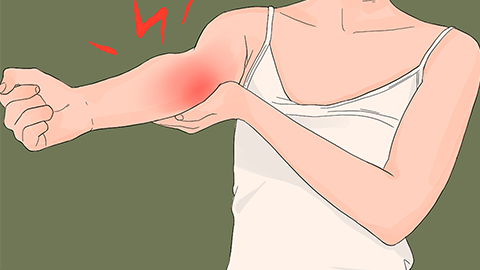
Due to disease progression and impaired immune systems, some AIDS patients are prone to skeletal problems such as osteoporosis and avascular necrosis, or develop complications like osteomyelitis and joint infections, leading to bone pain. Pain typically occurs in the lower back, hips, and knee joints and may worsen with activity, especially among patients who have not received standardized treatment. Additionally, certain antiviral medications can affect calcium and phosphorus metabolism, and long-term use may increase the likelihood of bone pain.
However, many AIDS patients, particularly during the early stages of the disease or after achieving stable control through standardized treatment, do not develop skeletal complications or take medications that could cause bone pain, and thus do not experience bone pain or significant limitations in daily activities. These individuals can effectively reduce the risk of skeletal problems by regularly monitoring their condition and maintaining a healthy lifestyle.
AIDS patients experiencing bone pain should seek timely medical evaluation to determine the underlying cause. Daily management includes adequate intake of calcium and vitamin D, engaging in appropriate gentle exercise, strictly following medical instructions for treatment, and undergoing regular follow-up assessments of bone health to prevent disease progression.





