


What Should You Eat for Osteoporosis Caused by Calcium Deficiency?
Aug 05, 2022
Source: Cainiu Health

Dr. Lin Yunfei
Introduction
For osteoporosis, calcium supplementation via calcium supplements is generally recommended. Calcium sources include dietary calcium from foods such as milk, fish, shrimp, black fungus (wood ear), and kelp, as well as other calcium supplements. Pharmacologically, vitamin D–fortified calcium preparations—such as Erqi Calcium—may be used to support calcium supplementation. Such agents are especially indicated when bone density testing confirms severe osteoporosis.
Osteoporosis is a common yet troublesome condition that causes significant psychological distress to patients and severely impairs quality of life. Therefore, proactive preventive measures are essential. So, what should individuals with calcium-deficiency-related osteoporosis eat?
What to Eat for Calcium-Deficiency-Related Osteoporosis
Calcium supplementation—ideally via calcium supplements—is an effective approach for managing osteoporosis. Dietary sources of calcium include milk, fish, shrimp, wood ear mushrooms, kelp, and other calcium-rich foods. Pharmacologically, calcium supplements enriched with vitamin D—such as Erqi Calcium—are recommended to enhance calcium absorption. In cases of severe osteoporosis confirmed by bone density testing, newer calcium formulations—including calcium phosphate and Miguda—may also be considered.
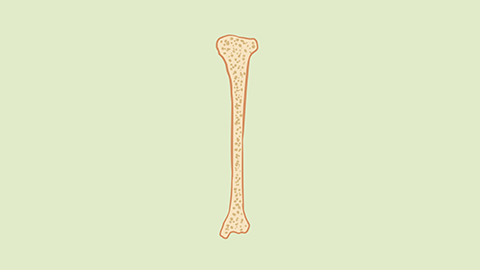
Additionally, consuming fruits and vegetables rich in vitamin D can help increase the body’s vitamin D levels, thereby promoting calcium absorption. Regarding dietary calcium intake, prioritize calcium-rich foods such as bone broth or dried shrimp.
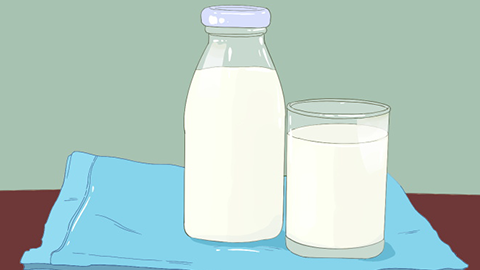
It is advisable to begin osteoporosis prevention during adolescence by ensuring adequate intake of calcium and vitamin D, and regularly consuming soy products and dairy. Maintaining healthy lifestyle and dietary habits—and engaging actively in physical exercise—are also crucial. We hope this information proves helpful to you.





