


Optimal Treatment for Severe Osteoporosis
Aug 05, 2022
Source: Cainiu Health

Dr. Xu Ge
Introduction
The optimal treatment for severe osteoporosis involves both lifestyle modifications and pharmacological therapy. Regular physical activity—particularly weight-bearing and high-impact exercises such as jumping, hopping, and running—helps effectively maintain bone mineral density. Pharmacological management includes anti-osteoporotic agents such as selective estrogen receptor modulators (SERMs), bisphosphonates, calcitonin, and other antiresorptive or bone-forming drugs.
When it comes to osteoporosis, most people are quite familiar with it. It is a highly prevalent condition that poses significant threats to human health—particularly impairing patients’ normal daily life and work—and thus requires timely treatment. So, what is the optimal treatment for severe osteoporosis?
Optimal Treatment for Severe Osteoporosis
The optimal treatment for severe osteoporosis involves both lifestyle modifications and pharmacological therapy. Regular physical activity—especially weight-bearing and high-impact exercises such as jumping, hopping, and running—helps effectively maintain bone mineral density. Pharmacological management includes anti-osteoporotic medications: antiresorptive agents (e.g., selective estrogen receptor modulators, bisphosphonates, calcitonin) and bone-forming (anabolic) agents, as well as dual-action agents that simultaneously inhibit bone resorption and stimulate bone formation.
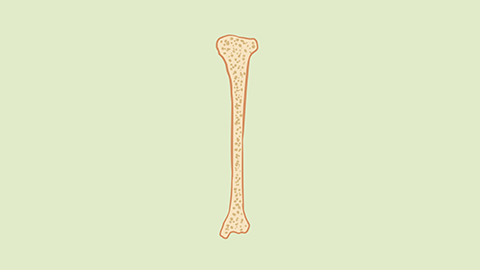
Osteoporosis is characterized by microarchitectural deterioration of bone tissue, progressive reduction in bone mineral content and bone matrix, thinning of cortical bone, decreased trabecular number, increased bone fragility, and elevated fracture risk. It is a systemic metabolic disorder. Primary causes include nutritional deficiencies, menopause, and aging. Bone turnover rate varies with age: approximately 100% per year during the first year of life, ~10% per year during childhood, ~5% per year in healthy adults, and declining to ~0.7% per year after age 40.
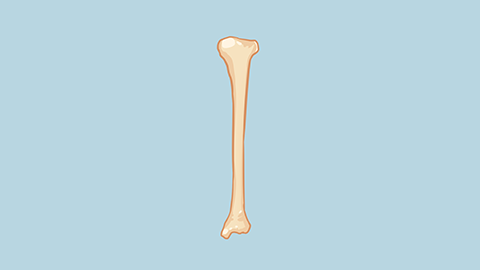
We recommend limiting consumption of carbonated beverages, increasing intake of calcium-rich foods, and avoiding excessive or high-impact exercise that may cause bone wear. Additionally, smoking cessation, alcohol abstinence, regular sun exposure, and enhanced dietary intake of calcium and vitamin D are strongly advised. We hope this information proves helpful to you.







