


Clinical Manifestations of Acute Exacerbation of Chronic Pulpitis
Aug 06, 2022
Source: Cainiu Health

Dr. Zhang Liwen
Introduction
The most typical symptom of pulpitis is toothache. Pain intensifies at night, whereas during the day—when attention is diverted—the pain becomes less noticeable. Additionally, patients often experience sensitivity to cold and hot stimuli; particularly, consuming very hot or very cold foods can exacerbate the toothache. In the absence of any external stimulation, the toothache may subside spontaneously after a period of time. Patients with pulpitis are advised to seek medical treatment at a hospital as soon as possible to prevent recurrent episodes of pain.
Many people have experienced pulpitis. When pain occurs, it can be truly unbearable. Even chewing food requires extreme caution. Perhaps many individuals are unfamiliar with pulpitis and unaware of how they developed it. They wish to understand the disease’s symptoms and available treatments. So, what are the clinical manifestations of an acute exacerbation of chronic pulpitis?
Clinical Manifestations of Acute Exacerbation of Chronic Pulpitis
The most typical symptom of pulpitis is toothache. Pain intensifies at night, whereas during the day—when attention is diverted—it may be less noticeable. Additionally, patients often experience heightened sensitivity to thermal stimuli: both hot and cold foods or beverages can exacerbate tooth pain. In the absence of external stimulation, pain may subside spontaneously after a period of time. Patients with pulpitis are strongly advised to seek prompt medical attention to prevent recurrent episodes of pain.
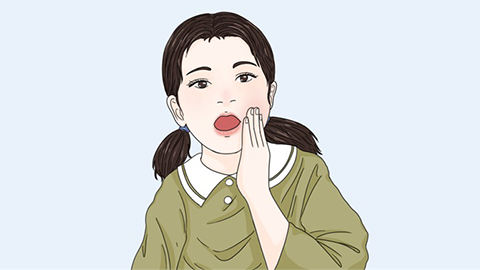
Pulpitis can be treated via root canal therapy. The dentist first opens the pulp chamber, removes infected tissue, and thoroughly cleans the chamber to reduce intrapulpal pressure. Subsequently, the root canal is filled with biocompatible material to prevent reinfection. With timely and effective treatment, the affected tooth is generally preserved. Following root canal therapy, the dentist fabricates a new dental crown to protect the tooth. Pulpitis is an inflammatory condition affecting the dental pulp. In advanced stages, it may exhibit the characteristic “pain on heat, relief on cold”: thermal stimulation—especially heat—triggers severe pain, whereas cold air or cold water provides temporary relief. Consequently, patients often rinse their mouth with cold water to alleviate pain transiently. During painful episodes, most patients cannot precisely identify the affected tooth; instead, pain frequently radiates to other teeth on the same side of the jaw, as well as to the head and face.

Patients are advised to minimize consumption of irritating foods and maintain good oral hygiene. We hope this information proves helpful.



