


Differences Between Periapical Periodontitis and Pulpitis
Aug 06, 2022
Source: Cainiu Health

Dr. Zhang Liwen
Introduction
There are three key differences between pulpitis and apical periodontitis. Pulpitis is primarily caused by deep caries or dental cracks, with visible surface defects and fissures on the affected tooth. Apical periodontitis develops from advanced pulpitis or pulp necrosis and is often associated with periapical bone resorption. During acute pulpitis, patients commonly experience generalized headache, persistent and unremitting pain, which may worsen at night.
Pulpitis is primarily caused by dental caries. If left untreated, it may progress to apical periodontitis. In general, the pain associated with pulpitis is spontaneous and paroxysmal, often radiating to the head and temporal region. Patients typically cannot pinpoint the exact tooth causing the pain. So, what are the differences between apical periodontitis and pulpitis?
Differences Between Apical Periodontitis and Pulpitis
There are three main distinctions between pulpitis and apical periodontitis. Pulpitis is commonly triggered by deep caries or dental cracks; visible defects or fissures are usually apparent on the tooth surface. In contrast, apical periodontitis develops from advanced pulpitis or pulp necrosis and is frequently accompanied by periapical bone resorption. During acute pulpitis, patients often experience generalized headache, persistent unrelenting pain—sometimes worsening at night. Apical periodontitis manifests as tenderness upon percussion over the apex, a distinct “floating” sensation of the affected tooth, and occasionally mandibular discomfort interfering with mastication and eating; if inflammatory exudate breaches the gingiva, it may cause gingival swelling and fistula formation. Radiographically, teeth with pulpitis show no evidence of periapical bone destruction, whereas apical periodontitis appears on X-ray as a well-defined radiolucent (low-density) area around the root apex, reflecting progressive alveolar bone loss.
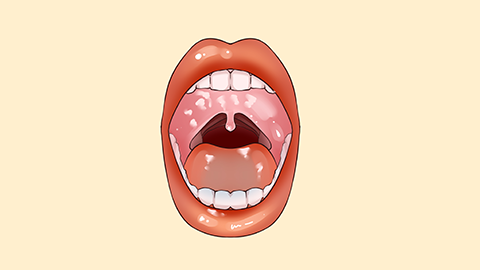
Apical periodontitis and pulpitis are two distinct pathological conditions, differing in both the anatomical location and the involved tissues. Apical periodontitis refers to inflammation of the tissues surrounding the tooth apex, whereas pulpitis denotes inflammation of the dental pulp located within the crown or root canal.
Patients are advised to maintain a light, bland diet, drink plenty of water, and adopt healthy lifestyle habits. In cases of severe inflammation, prompt medical consultation is recommended, and medications should be taken strictly under a physician’s guidance. We hope this information proves helpful to you.



