


Depression Treatment
Aug 06, 2022
Source: Cainiu Health

Dr. He Haochen
Introduction
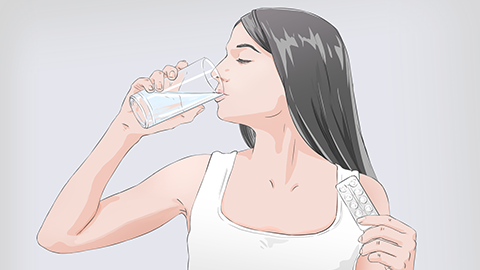
Depression can be treated through pharmacotherapy, psychotherapy, and other approaches. If somatic symptoms of depression significantly impair the patient’s functioning, pharmacotherapy tends to be more effective, as medications generally produce a relatively rapid therapeutic effect. The number and dosage of medications should be adequate, and treatment duration should be sufficiently long—typically at least six months, or for at least one year following a relapse. Depression is often associated with the patient’s personality traits, and pharmacotherapy can effectively alleviate symptoms.
Many young people today experience significant stress, which may manifest emotionally as instability. Negative emotions can gradually accumulate within the body. If no healthy outlet is found to release this emotional burden, it may slowly undermine mental health and potentially lead to depression. So, how is depression treated?
Treatment of Depression
Depression can be treated through pharmacotherapy, psychotherapy, and other approaches. When somatic symptoms of depression significantly impair a patient’s functioning, medication tends to yield better results—primarily because medications take effect relatively quickly. The dosage and duration of drug treatment must be adequate: treatment should last for at least six months, or for at least one year following a relapse. Depression is often linked to an individual’s personality traits; while medication can effectively alleviate symptoms, it does not modify underlying thought patterns, personality characteristics, or perceptual styles. Only through psychotherapy can individuals gain insight into their own cognitive and behavioral patterns—recognizing certain beliefs as irrational, identifying maladaptive coping strategies, and becoming aware of their tendency toward persistent negative emotions.
Depression may arise from multiple factors—including personality traits and genetic predisposition. A common feature among individuals with depression is the emergence of markedly pessimistic thoughts in response to life events. People with such personality tendencies are more susceptible to developing depression, especially under psychological stress, which tends to exacerbate the full spectrum of depressive symptoms. These personality traits typically develop during adolescence. Having a family member with depression increases the risk for other family members—particularly due to genetic factors. Bipolar depression, in particular, demonstrates a relatively high degree of heritability. That said, not all individuals with depression have a family history of the disorder.
Individuals with depression should engage more frequently with friends—maintaining regular conversations or participating in shared activities. We hope this information proves helpful to you.


