


What is anxiety disorder called in Traditional Chinese Medicine?
Dec 09, 2025
Source: Cainiu Health

Dr. Sun Lianqing
Introduction
In general, anxiety disorders in traditional Chinese medicine (TCM) are mostly classified under "depression syndromes" (yu zheng), with some symptoms corresponding to palpitations or cardiac agitation (jing ji, zheng chong). The core causes are closely related to emotional imbalance and dysfunction of internal organs. In daily life, emotional regulation can be achieved through meditation, listening to soothing music, practicing tai chi, and consuming calming foods such as lily bulbs and lotus seeds. TCM treatment emphasizes syndrome differentiation and individualized therapy.
In general, anxiety disorders in traditional Chinese medicine (TCM) are mostly classified under "depression syndrome" (Yu Zheng), while certain manifestations may correspond to palpitations (Jing Ji) or chronic palpitation (Zheng Zhong). The core causes are closely related to emotional imbalance and dysfunction of internal organs. A detailed analysis is as follows:
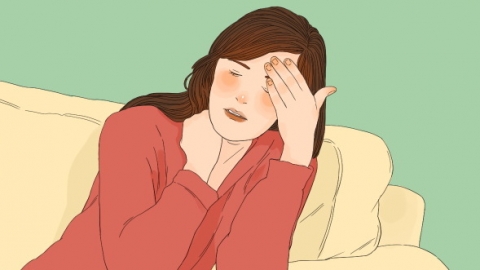
TCM holds that depression syndrome is primarily caused by emotional distress and stagnation of qi flow, commonly manifesting as low mood, irritability, chest tightness, and frequent sighing—symptoms highly consistent with the core features of anxiety disorders. Palpitations (Jing Ji) and chronic palpitation (Zheng Zhong) emphasize symptoms such as heart palpitations and restlessness, corresponding to feelings of panic and fear seen in anxiety disorders, and are often associated with imbalances in the heart, liver, and spleen.
Different TCM patterns present with distinct characteristics; for example, individuals with liver qi stagnation often experience chest and rib distension, while those with deficiency of both the heart and spleen commonly suffer from fatigue and insomnia. Treatment should be tailored to the specific pattern, aiming to soothe the liver and regulate qi, strengthen the spleen, and nourish the heart, while avoiding emotional triggers that may worsen symptoms.
In daily life, emotional regulation can be achieved through meditation, listening to soothing music, or practicing Tai Chi, along with using calming dietary ingredients such as lily bulbs and lotus seeds. TCM emphasizes treatment based on pattern differentiation and requires individualized plans to promote emotional stability.



