


How to Treat Bitter Taste and Bad Breath in the Mouth
Aug 06, 2022
Source: Cainiu Health

Dr. Zhang Liwen
Introduction
Bitter taste in the mouth and halitosis may result from excessive stomach fire. In such cases, medications that clear stomach fire may be selected. If the condition is caused by food stagnation, digestive aids may be chosen under a physician’s guidance. To prevent halitosis, mild laxatives may be considered. If liver function is impaired, medications to regulate liver function should be selected.
Many people have experienced bitter taste in the mouth and halitosis (bad breath). It can be particularly frustrating when, despite brushing teeth diligently twice daily—morning and night—halitosis persists. So, how should one treat bitter taste and halitosis?
How to Treat Bitter Taste and Halitosis
Bitter taste and halitosis may stem from excessive stomach fire (a concept in Traditional Chinese Medicine, or TCM). In such cases, medications that clear stomach fire may be selected. If the cause is food stagnation, digestive aids may be prescribed under a physician’s guidance. To prevent halitosis, mild laxatives may be considered. Should liver dysfunction be present, medications to regulate liver function are recommended. For cases specifically attributable to excessive stomach fire, herbal formulas or medications aimed at clearing stomach fire are appropriate. Patients with this pattern commonly experience dry mouth, facial flushing, oral and tongue pain, as well as swollen, painful gums.
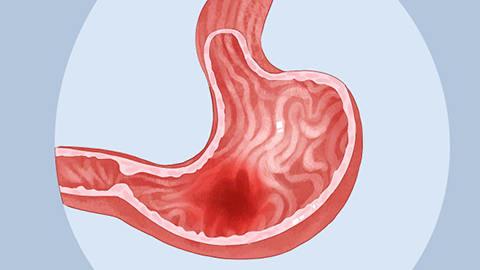
Halitosis caused by food accumulation and indigestion is another common scenario. Such patients often suffer from abdominal distension and a sensation of hardness or fullness in the epigastric region. Digestive-supporting medications may be used to prevent severe consequences from prolonged food stagnation. Once symptoms arise, timely intervention is essential. Constipation may also contribute to halitosis; in such cases, appropriate laxatives may be selected. Upon resolving constipation, toxins are eliminated more efficiently from the body, thereby alleviating associated symptoms. This approach yields good results. Additionally, maintaining adequate hydration is crucial—drinking sufficient water helps flush toxins from the body.
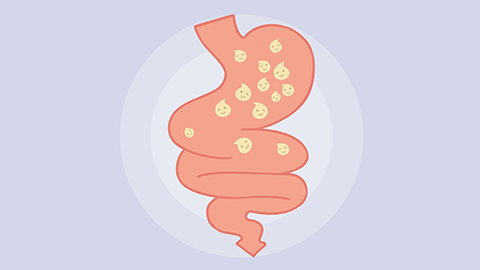
Patients experiencing dry mouth, bitter taste, halitosis, rapid digestion, and poor gastric retention of food should opt for liquid or semi-liquid diets. We hope this information proves helpful.






