


Can cooling tea remove dampness?
Dec 09, 2025
Source: Cainiu Health

Dr. Sun Lianqing
Introduction
In general, whether herbal tea can help eliminate dampness depends on the individual's constitution and the specific type of dampness present. Drinking appropriate herbal tea may assist in improving conditions when there is a damp-heat constitution or internal blockage due to damp-heat. This type of dampness is often accompanied by symptoms such as bitter taste in the mouth and yellow, greasy tongue coating. Herbal teas containing honeysuckle, poria (Fu Ling), and coix seed (Yi Yi Ren) can clear heat and resolve dampness, effectively addressing the characteristics of damp-heat.
Generally speaking, whether cooling tea can help remove dampness depends on an individual's constitution and the specific type of dampness present. The detailed analysis is as follows:
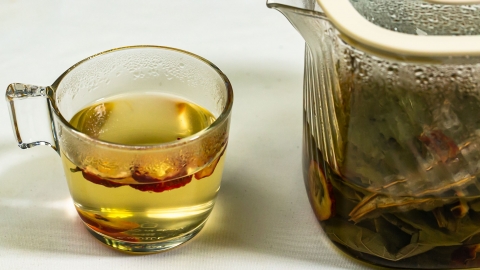
For individuals with a damp-heat constitution or those suffering from internal damp-heat blockage, drinking appropriate cooling teas may assist in improvement. This type of dampness is often accompanied by symptoms such as bitter taste in the mouth and a yellow, greasy tongue coating. Cooling teas containing ingredients like honeysuckle, poria (Fuling), and coix seed (Yi Yi Ren) can clear heat and resolve dampness, effectively addressing the characteristics of damp-heat. Drinking such teas can help alleviate discomfort caused by accumulated damp-heat in the body, creating a sensation of lightness and well-being, making them suitable for consumption during summer or in hot, humid environments.
However, individuals with a cold-damp constitution or those whose dampness is of a deficient-cold nature should avoid drinking cooling tea. These individuals often feel cold and have cold hands and feet. Since most cooling teas are inherently cold in nature, consuming them may increase internal coldness, potentially leading to discomforts such as diarrhea and abdominal pain. People with simple qi deficiency accompanied by excessive dampness should also avoid cooling teas, as their cold nature may further weaken vital energy (zheng qi), making it even harder to eliminate dampness. In such cases, warming and tonifying approaches are more appropriate.
It is recommended to understand your own body constitution and the ingredients in cooling teas before consumption. When necessary, consult a Traditional Chinese Medicine (TCM) practitioner to ensure that drinking cooling tea will achieve the desired health benefits.





