


What should I do about perianal eczema?
Aug 07, 2022
Source: Cainiu Health

Dr. Cheng Yicheng
Introduction
Perianal eczema is a common dermatological condition. Patients with perianal eczema typically experience symptoms such as moisture, pain, and pruritus in the perianal area, necessitating prompt treatment. Generally, therapeutic options include acupuncture, pharmacotherapy, and surgical intervention to alleviate the condition. Additionally, patients should maintain perianal cleanliness and dryness, avoid consuming spicy or irritating foods, and engage actively in physical exercise to prevent disease recurrence.
In daily life, unpleasant symptoms such as perianal eczema can cause significant psychological distress to patients. Particularly when pruritus and other uncomfortable symptoms occur, patients often feel helpless and embarrassed—unable to scratch despite the intense itch.
What Should Be Done for Perianal Eczema?
Perianal eczema is a common dermatological condition. Patients typically experience moisture, pain, and itching around the anus, necessitating prompt treatment. Common therapeutic approaches include acupuncture, pharmacotherapy, and surgical intervention, depending on disease severity. Additionally, maintaining perianal cleanliness and dryness, avoiding spicy or irritating foods, and engaging regularly in physical exercise are essential to prevent recurrence.
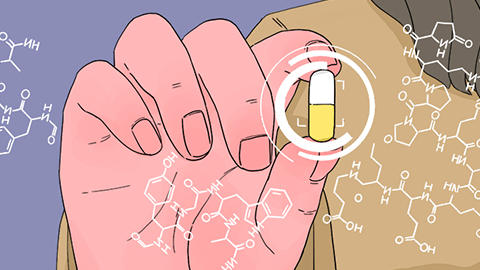
Perianal eczema is a common, non-contagious skin disorder. Lesions are primarily confined to the perianal skin and anal verge but may extend to the perineum or genitalia. Clinically, it manifests as exudation, pruritus, increased local secretions, polymorphic skin changes, and a tendency toward recurrence. It is classified into acute, subacute, and chronic forms. Acute eczema typically presents with millet-sized papules on an erythematous base; excoriation due to scratching leads to punctate exudation and superficial erosion. Subacute lesions consist mainly of small papules, scales, and crusts. Chronic eczema features localized skin thickening, grayish discoloration, rough surface texture, and fissuring.
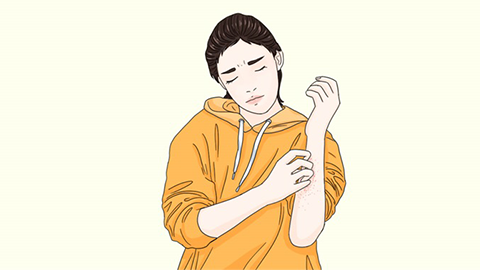
Patients with perianal eczema should follow a light, low-fat diet. Alcohol and spicy or otherwise irritating foods must be strictly avoided. More importantly, they should consume fruits, vegetables, and other foods rich in vitamins and dietary fiber. We hope this information proves helpful.



