


How many days after conception does nausea begin?
Aug 07, 2022
Source: Cainiu Health

Dr. Chen Zhe
Introduction
Nausea began at six weeks of pregnancy. The onset time of nausea during pregnancy varies significantly among individuals; however, most women start experiencing symptoms 2–4 weeks after conception. Nevertheless, regardless of whether the reaction is mild or absent altogether, both scenarios are considered normal. There is no correlation between the severity of symptoms and embryonic developmental quality. These symptoms may be more severe than those experienced by women carrying a singleton pregnancy.
After becoming pregnant, a woman’s body becomes more sensitive and fragile, requiring special attention to numerous precautions. Inadequate care during this period may lead to fetal malformations or even miscarriage. So, how many days after conception does nausea typically begin?
When Does Nausea Begin During Pregnancy?
Nausea usually begins around six weeks after conception. However, the onset of nausea and other early pregnancy symptoms varies significantly among individuals; most women start experiencing symptoms between two and four weeks after conception. Importantly, both the presence and absence of pregnancy-related symptoms—and variations in their intensity—are entirely normal. The severity of symptoms bears no correlation to embryonic development quality. Symptoms may be more pronounced in multiple pregnancies than in singleton pregnancies. Most women experience more severe morning sickness in the morning, with some relief during the day. If morning sickness is exceptionally severe—characterized by persistent, intense vomiting and inability to retain food—it is essential to seek medical evaluation for electrolyte imbalances, liver function, and urinary ketone levels. Medical intervention may be necessary in such cases.
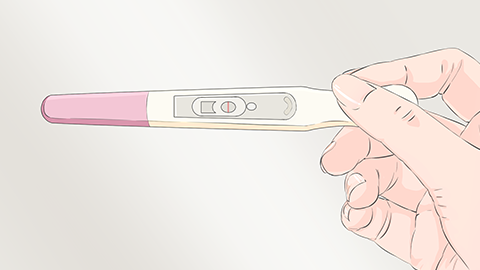
In addition to nausea and vomiting, other common early pregnancy symptoms include fatigue, excessive sleepiness, back pain, breast tenderness, headache, and dizziness. Not all pregnant women experience morning sickness; some have no symptoms at all—which is also perfectly normal, as individual constitutions vary widely. During early pregnancy, it is recommended to take folic acid supplements appropriately, as folic acid helps prevent neural tube defects in the developing fetus. Calcium supplementation is advised during mid- to late pregnancy; oral calcium carbonate (e.g., Diqiao) or calcium lactate (e.g., Ergocalciferol Calcium) are suitable options.
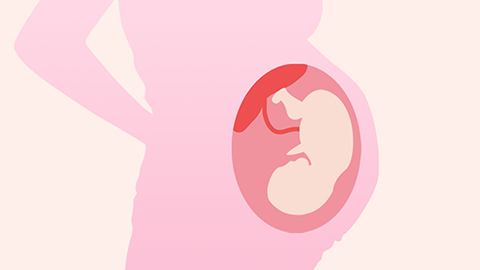
It is advisable to consume plenty of fresh fruits and vegetables and drink yogurt regularly to promote healthy intestinal motility. We hope this information is helpful to you.








