


What should I do if I feel nauseous and unwell at two months pregnant?
Aug 07, 2022
Source: Cainiu Health

Dr. Chen Zhe
Introduction
Nausea and discomfort during the second month of pregnancy can be alleviated with oral B-complex vitamins, under a physician’s guidance. The second month of pregnancy falls within the period of pronounced early pregnancy symptoms, during which many women experience nausea and vomiting—common manifestations of morning sickness. These symptoms are normal; pregnant women are advised to take an appropriate dose of B-complex vitamins orally. Additionally, dietary adjustments are recommended—opting for drier foods whenever possible.
Nausea and discomfort during pregnancy are common—and indeed very prevalent—phenomena. These symptoms can cause significant distress and bodily imbalance for expectant mothers. So, what should one do if experiencing nausea and discomfort at two months’ gestation?
What to Do for Nausea and Discomfort at Two Months’ Gestation
Nausea and discomfort at two months’ gestation can be alleviated under a physician’s guidance with oral B-complex vitamins. This period falls within the early stage of pregnancy, when many women experience typical early-pregnancy symptoms such as nausea and vomiting. These are normal physiological responses; therefore, pregnant women are advised to take an appropriate dose of B-complex vitamins orally. Additionally, dietary adjustments are essential: opt for dry, bland foods and avoid greasy or overly rich meals, which may exacerbate nausea and vomiting. If vomiting becomes severe, it may indicate hyperemesis gravidarum—a condition requiring hospitalization. Furthermore, during the first two months of pregnancy, a three-dimensional pelvic ultrasound is recommended to confirm intrauterine fetal presence and detect fetal cardiac activity. Severe vomiting warrants exclusion of molar pregnancy and twin gestation.
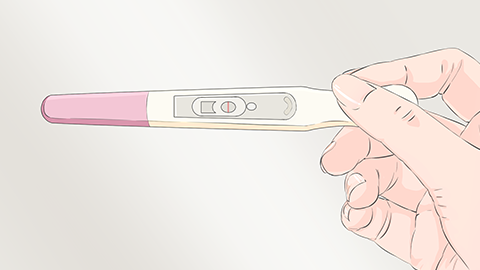
Following conception, elevated levels of human chorionic gonadotropin (hCG) and estrogen trigger nausea, vomiting, and even severe emesis in some individuals. A medical evaluation—including urinalysis and serum electrolyte testing—is advisable to assess for ketonuria. If urine ketones test positive (+), hospital admission for intravenous fluid replacement is recommended. The first trimester is a critical period for embryonic development; persistent nausea and inability to maintain adequate nutrition may compromise embryonic growth. Thus, intravenous hydration therapy is often initiated promptly upon hospitalization.

Consuming light, palatable fruits and vegetables can effectively help prevent and alleviate vomiting. We hope this information proves helpful to you.








