


How to Treat Dizziness After a Cerebral Infarction
Aug 08, 2022
Source: Cainiu Health

Dr. Li Man
Introduction
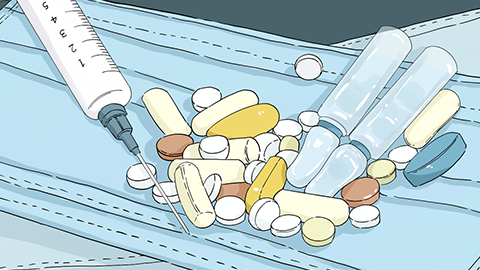
Dizziness following cerebral infarction requires pharmacological treatment and prompt bed rest. Post-stroke dizziness primarily results from active management of the underlying condition. If dizziness is severe, symptomatic medications may be administered. Clinically, betahistine hydrochloride and flunarizine hydrochloride capsules are commonly used. When thrombolytic therapy is indicated, it should be initiated promptly.
Ischemic stroke is a disease with a high incidence among middle-aged adults and may also be triggered by other underlying conditions. Therefore, prevention of this condition requires a more comprehensive and broad-based approach. At the same time, middle-aged and elderly individuals should enhance their understanding of this disease. So, how is dizziness treated following ischemic stroke?
How is dizziness treated after ischemic stroke?
Dizziness following ischemic stroke requires pharmacological treatment and prompt bed rest. Dizziness post-stroke primarily results from active management of the underlying disease. If dizziness is severe, symptomatic medications may be administered. Clinically, betahistine hydrochloride and flunarizine hydrochloride capsules are commonly used. When thrombolytic therapy is indicated, it should be initiated promptly. In the absence of thrombolytic indications, antiplatelet aggregation therapy should be started as soon as possible. If intracranial pressure is elevated, treatment should include antihypertensive measures, neuroprotection, improvement of cerebral circulation, and mitochondrial protection. Once the patient’s condition stabilizes, rehabilitation and physical therapy can be initiated.

Dizziness in ischemic stroke patients mainly occurs when the infarct involves the brainstem or cerebellum. Since the vestibular nuclei reside within the pons, damage to these nuclei can lead to vertigo. Consequently, pontine infarction may manifest as dizziness, nausea, vomiting, and nystagmus—classic signs of vestibular nucleus dysfunction. With systematic and sustained rehabilitation training, patients’ symptoms can improve significantly.
Patients should cultivate healthy dietary and lifestyle habits, including a light diet with controlled intake of sodium, sugar, and fat, and increased consumption of fruits and vegetables. We hope this information proves helpful to you.








