


Is surgical removal always necessary for cervical polyps?
Aug 08, 2022
Source: Cainiu Health

Dr. Chen Zhe
Introduction
Cervical polyps do not always require surgical removal. They are typically caused by chronic inflammation that irritates cervical cells and leads to localized tissue hyperplasia, most commonly occurring at the external os of the cervix. Clinically, they appear as red, soft, pedunculated, friable, and easily bleeding masses visible at the cervical os; their size varies, and the number may range from solitary to multiple. Polypectomy is indicated for patients with large polyps or significant bleeding.
Cervical polyps are a common gynecological condition encountered in clinical practice. As this condition can affect a patient’s health, seeking timely medical treatment is essential. Currently, multiple treatment options exist for cervical polyps in clinical practice; however, many patients believe surgery is unnecessary. So, is surgical removal always required for cervical polyps?
Is surgical removal of cervical polyps always necessary?
Surgical removal is not always required for cervical polyps. Cervical polyps typically result from chronic inflammation that stimulates cervical epithelial cells, leading to localized tissue hyperplasia—most commonly occurring at the external os of the cervix. Clinically, they appear as soft, red, pedunculated, friable, and easily bleeding masses protruding from the cervical os; their size varies, and the number may range from solitary to multiple. Patients with large polyps or those experiencing active bleeding require polypectomy, followed by histopathological examination of the excised specimen. In contrast, small, asymptomatic polyps without active bleeding may be managed conservatively with regular surveillance using cervical cytology (TCT) and human papillomavirus (HPV) testing. Given the high recurrence rate of cervical polyps, sexual intercourse and bathing should be avoided for one month following surgical removal. Additionally, patients should maintain good perineal hygiene, wear loose-fitting cotton underwear, follow a light diet rich in vegetables and fruits, ensure regular bowel movements, and promptly treat any coexisting gynecological infections.
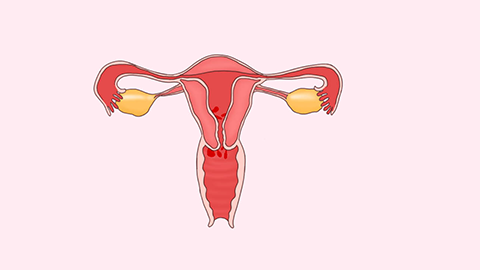
Surgical intervention remains the only definitive treatment for cervical polyps; however, asymptomatic polyps may be observed conservatively, as malignant transformation is exceedingly rare. The primary objective of evaluation is accurate differentiation of cervical polyps from other cervical lesions—particularly HPV-associated cervical pathology. Unlike such lesions, cervical polyps are predominantly caused by chronic inflammation and localized hyperplasia of the endocervical mucosa.
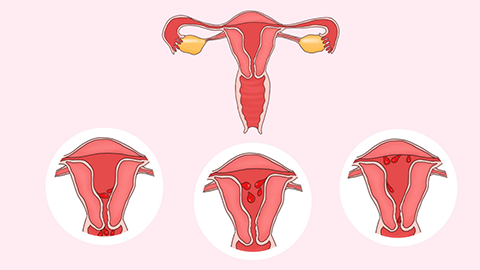
Patients are advised to adopt healthy lifestyle habits, including balanced nutrition and avoidance of spicy or irritating foods. We hope this information proves helpful.





