What should be noted after cervical polypectomy?
Jan 24, 2025
Source: Cainiu Health

Dr. Zhang Lu
Introduction
In general, after cervical polypectomy, patients should pay attention to rest and activity, maintain external genital hygiene, monitor bleeding, abstain from sexual intercourse, and follow a reasonable diet. Postoperative patients should ensure adequate sleep and avoid excessive fatigue and strenuous exercise. During the first 1–2 weeks after surgery, bed rest is recommended, followed by a gradual increase in activity level, although overexertion should still be avoided.
Generally after cervical polypectomy, patients should pay attention to rest and activity, maintain external genital hygiene, monitor bleeding, abstain from sexual intercourse, and maintain a balanced diet. Detailed instructions are as follows:
1. Rest and Activity
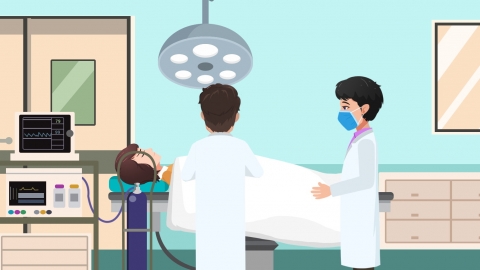
After surgery, patients should ensure adequate sleep and avoid excessive fatigue and strenuous exercise. Bed rest is recommended for the first 1-2 weeks after surgery, followed by a gradual increase in activity level, while still avoiding overexertion.
2. Maintain External Genital Hygiene
It is important to keep the external genital area clean after surgery. Wash the external genital area daily with warm water and change underwear frequently. Showering is recommended for cleaning, while the use of irritating cleansers should be avoided. Tub bathing and sitting baths are strictly prohibited.
3. Monitor Bleeding
Mild vaginal bleeding may occur after surgery, which is considered normal. However, if heavy bleeding persists or is accompanied by abnormal symptoms such as abdominal pain, prompt medical attention is required.
4. Abstain from Sexual Intercourse
Sexual intercourse should be avoided for approximately one month after surgery to prevent irritation and injury to the cervix, which may affect the healing process.
5. Maintain a Balanced Diet
The postoperative diet should primarily consist of light and easily digestible foods. Consume more protein-rich foods, vitamins, and minerals such as lean meats, fish, fresh vegetables, and fruits. Avoid spicy, greasy, irritating foods, and foods high in sugar content.
Regular gynecological examinations are recommended to promptly detect and manage cervical lesions, thus preventing the occurrence of cervical polyps.