


Quick Acne Removal
Aug 08, 2022
Source: Cainiu Health

Dr. Liu Wenmin
Introduction
Acne treatment typically involves red and blue light therapy, as well as oral and topical traditional Chinese medicine (TCM) formulations. Topical agents commonly used include clindamycin and metronidazole lotion, chlorhexidine tincture, vitamin A gel, salicylic acid acne gel, and Lijiao Acne Solution. Oral medications may include metronidazole tablets, Zhizi Jin Hua Wan (Gardenia Flower Pill), Compound Zhenzhu Acne Tablets, Jinhua Xiao Acne Granules, and vitamin B6 tablets.
Acne is a common skin condition that predominantly affects adolescents. It typically manifests as facial comedones (blackheads and whiteheads), papules, pustules, and other polymorphic skin lesions. If improperly managed, acne can easily leave behind scars, compromising facial aesthetics. It may also lead to post-inflammatory hyperpigmentation or persistent erythema; some individuals even develop new acne lesions after manually extracting comedones. So, how can acne be treated quickly?
Effective Acne Treatment
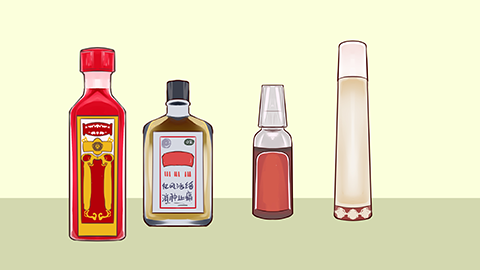
Acne treatment commonly involves phototherapy using red and blue light, along with topical herbal masks. For daily management, topical agents such as clindamycin-metronidazole lotion, chlorhexidine tincture, vitamin A gel, salicylic acid anti-acne gel, or Lijiao Acne Solution may be applied locally. Concurrently, oral medications—including metronidazole tablets, Zhizi Jinhua Wan (Gardenia Flower Pill), Compound Pearl Acne Tablets, Jinhua Xiaoacne Granules, and vitamin B6 tablets—may be prescribed.

During puberty, relatively elevated androgen levels—or hormonal imbalance between males and females—stimulate sebaceous gland hyperplasia and excessive sebum production. While the underlying hormonal influence cannot be fundamentally altered, sebum secretion can be modulated through dietary and lifestyle adjustments. Specifically, maintain a light, balanced diet and avoid excessive intake of high-sugar, high-fat, and high-calorie foods. Ensure regular sleep patterns—staying up late or irregular sleeping schedules may exacerbate sebum production. Additionally, thorough cleansing and oil control are essential: select appropriate cleansers and oil-control products and perform daily facial hygiene diligently; otherwise, accumulated sebum increases the risk of acne development.
Patients are advised to cultivate healthy lifestyle habits, maintain a balanced diet, avoid spicy and irritating foods, and take medications strictly under medical supervision. We hope this information proves helpful to you.





