


What Is Eczema and What Are Its Symptoms?
Aug 09, 2022
Source: Cainiu Health

Dr. Liu Wan
Introduction
Eczema is an inflammatory skin reaction characterized by intense pruritus, triggered by various internal and external factors. Its primary symptoms include skin rashes accompanied by itching. Based on disease course and clinical features, eczema is classified into acute, subacute, and chronic forms—each exhibiting distinct clinical manifestations. In acute eczema, skin lesions display polymorphic changes, often presenting with erythema, papules, and sometimes vesicles, exudation, and erosion.
Perianal eczema is a highly prevalent dermatological condition that poses significant health risks to every affected individual. Therefore, gaining a deeper understanding of its symptoms is essential for timely treatment and prevention of worsening discomfort. So, what exactly is eczema—and what are its characteristic symptoms?
What Is Eczema—and What Are Its Symptoms?
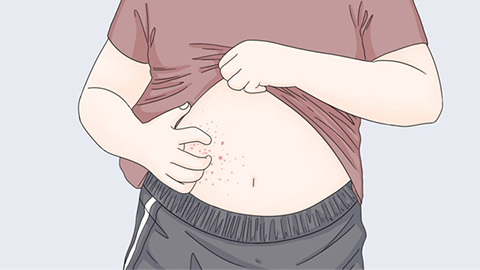
Eczema is an inflammatory skin reaction characterized by intense pruritus (itching), triggered by a variety of internal and external factors. Its hallmark symptoms include cutaneous eruptions accompanied by pronounced itching. Based on disease duration and clinical features, eczema is classified into three types: acute, subacute, and chronic. Specific clinical manifestations vary among these subtypes. In acute eczema, skin lesions exhibit polymorphic changes—including erythema, papules, vesicles, exudation, and erosion. Lesions commonly occur on exposed areas such as the face, ears, hands, feet, forearms, and legs. In severe cases, involvement may extend diffusely across the entire body, typically in a symmetrical distribution. On an erythematous base, papules ranging from pinhead- to millet-sized appear. In more severe presentations, vesicles develop—often coalescing into confluent patches with indistinct borders.

Scratching leads to excoriations and marked serous exudation, with patients experiencing intense, distressing pruritus. Subacute eczema typically develops following partial resolution or inadequate treatment of acute eczema. Clinically, it manifests as reduced erythema, edema, and exudation, yet persistent papules and scaling remain. Lesions appear dusky red, with fine scales and mild lichenification, alongside continued severe itching. Chronic eczema arises from prolonged or recurrent acute or subacute eczema, or may be induced by persistent low-grade irritants.
In daily life, maintain regular dietary habits—avoid spicy, irritating, or overly rich foods, refrain from binge eating, and ensure adequate sleep to prevent late-night activity. We hope this information proves helpful to you.



