


What Does Stool Look Like in Gastrointestinal Bleeding?
Aug 10, 2022
Source: Cainiu Health

Dr. Zhao Haiming
Introduction
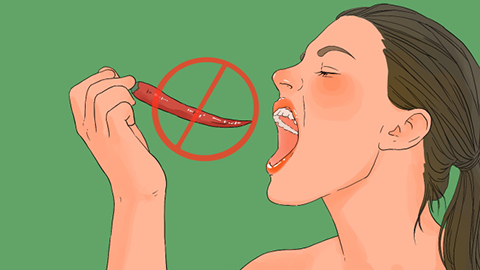
Gastrointestinal bleeding typically results in black or bloody stools. Dyspepsia or severe constipation may lead to gastrointestinal bleeding. During treatment, medications to strengthen the spleen and stomach may be administered; hemostatic drugs may also be prescribed under a physician’s guidance. Additionally, anti-inflammatory and analgesic agents may be applied topically to the anus. Patients should avoid consuming spicy or irritating foods in daily life.
When suffering from anorectal conditions such as hemorrhoids or anal fissures, rectal bleeding may occur during defecation. Prolonged, heavy bleeding can lead to anemia or even more severe complications. So, what does stool look like in cases of gastrointestinal (GI) bleeding?
What Does Stool Look Like in Gastrointestinal Bleeding?
Gastrointestinal bleeding typically results in either black, tarry stools (melena) or visible blood in the stool (hematochezia). Indigestion or severe constipation may contribute to GI bleeding. During treatment, medications to strengthen the spleen and stomach may be prescribed; additionally, hemostatic drugs may be administered under a physician’s guidance. Anti-inflammatory and analgesic topical agents may also be applied to the perianal area. Patients should avoid consuming spicy or irritating foods.
Gastrointestinal bleeding commonly presents with black, tarry stools (melena). This occurs because hemoglobin in the blood reacts with sulfides in the intestinal tract to form black ferrous sulfide, resulting in stools that are dark, sticky, and glossy—resembling tar. When the volume of bleeding is large, blood passes rapidly through the intestines, causing stools to appear dark red or even bright red. In cases of substantial upper GI bleeding, hematemesis (vomiting of blood) may occur. Blood in the stomach irritates the gastric mucosa, triggering nausea and vomiting; the vomitus often appears brownish or resembles coffee grounds.
Patients are advised to consume easily digestible foods such as congee, millet porridge, and soft noodles. Spicy, overly hot, hard, coarse, excessively greasy, or otherwise difficult-to-digest foods should be avoided. We hope this information is helpful to you.


