


What Causes Tinnitus in Children?
Aug 10, 2022
Source: Cainiu Health

Dr. Xie Zixing
Introduction
There are numerous causes of tinnitus in children, including cerumen impaction, otitis media with effusion, and large vestibular aqueduct syndrome. Additionally, tinnitus may result from chronic psychological stress, excessive academic or life pressures, frequent late-night activities, prolonged screen time (e.g., on computers or smartphones), and insufficient rest or sleep—factors that can also contribute to dizziness and hearing loss. Of course, certain unhealthy lifestyle habits may also play a role.
People often say that the ears are a pathway to the heart and soul. Our ears enable us to hear thousands of sounds—highlighting just how vital they are to us. Ears are not only essential but also highly delicate organs; any impairment can significantly affect quality of life. Therefore, protecting your ears is crucial. Tinnitus has many potential causes—and what about tinnitus in children?
What Causes Tinnitus in Children?
Tinnitus in children may stem from various factors, including cerumen (earwax) impaction in the ear canal, otitis media with effusion (secretory otitis media), or large vestibular aqueduct syndrome. Additionally, chronic psychological stress, excessive academic or daily-life pressure, frequent late-night activities, prolonged screen time (e.g., on computers or smartphones), and insufficient rest or sleep can all contribute to dizziness and hearing decline. Unhealthy lifestyle habits and prolonged exposure to noisy environments may also trigger tinnitus. Likewise, tinnitus can occur secondary to ear canal obstruction by impacted cerumen or to middle ear infections. For children experiencing tinnitus, identifying the underlying cause is essential; treatment must be tailored accordingly. Maintaining a positive mindset and avoiding noisy environments can significantly help alleviate symptoms.
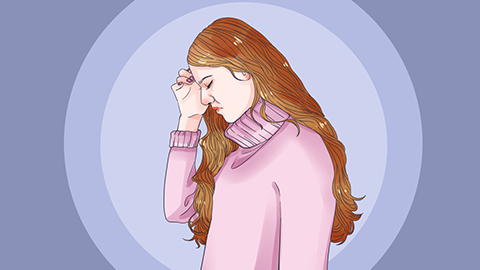
Tinnitus in children may also result from insertion of toys or small objects into the ear canal. Typically, tinnitus resolves spontaneously once the foreign body is removed. Similarly, cerumen impaction in the external auditory canal disrupts sound conduction; removal of the impacted wax usually eliminates the tinnitus. Tinnitus may also arise from external auditory canal inflammation or inner ear disorders—for example, acute otitis media, Ménière’s disease, or sudden sensorineural hearing loss. These conditions require targeted, symptom-specific treatment. Neurogenic tinnitus may develop in children under high academic pressure, those who frequently stay up late, or those who excessively use electronic devices.

In general, prompt treatment is recommended. We hope this information proves helpful to you.



