


What Causes Tinnitus in Children?
Aug 24, 2022
Source: Cainiu Health

Dr. Xu Gang
Introduction
Tinnitus may be caused by systemic diseases, improper medication use, ear disorders, and other factors. For instance, patients with certain systemic conditions—such as hypertension or cerebral hypoperfusion—may experience tinnitus. Generally, the incidence of tinnitus is highest among individuals aged 60 years and older, primarily because the auditory nervous system gradually deteriorates with advancing age.
The ears play a vital role in daily life; however, if tinnitus occurs, one may be unable to hear sounds clearly. This not only affects daily work performance but also impairs normal communication with others. So, what causes tinnitus in children?
What Causes Tinnitus in Children?
Tinnitus may result from systemic diseases, inappropriate medication use, or ear-related disorders. For instance, conditions such as hypertension or insufficient cerebral blood supply can trigger tinnitus. Generally, the incidence of tinnitus is highest among individuals aged 60 years and older. This is primarily due to the gradual deterioration of the auditory nervous system with age; additionally, underlying illnesses further increase the likelihood of developing tinnitus. Overuse or misuse of ototoxic medications—drugs harmful to the ear—can also lead to hearing loss or tinnitus.
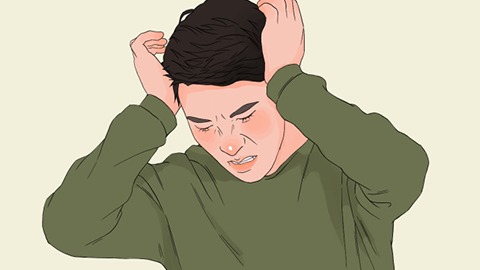
In recent years, excessive stress has become an increasingly common cause of tinnitus. High levels of psychological stress and tension often precipitate tinnitus—typically high-frequency tinnitus resembling the chirping of cicadas. Tinnitus frequently occurs in individuals with emotional instability, and patients suffering from anxiety or depression are particularly susceptible. The human ear can tolerate sound intensities up to approximately 90 decibels (dB); exceeding this threshold may not be immediately perceptible, yet the delicate structures of the inner ear can sustain damage. Irregular exposure to intense, loud noises poses even greater risk to hearing health.
If tinnitus symptoms appear, prompt medical consultation is essential to identify the underlying cause and initiate appropriate treatment. We hope this information proves helpful to you.



