


What Should You Do for Anal Eczema in Infants and Young Children?
Aug 10, 2022
Source: Cainiu Health

Dr. Xie Zixing
Introduction
When infants and young children develop perianal eczema, prompt treatment should be initiated. Under a physician’s guidance, topical medications—including antimicrobial, antipruritic, heat-clearing, detoxifying, and dampness-resolving ointments or solutions—may be applied. The affected area may also be gently cleansed (note: “smoking” in the original text is likely a mistranslation; it should refer to cleansing or washing). Oral antihistamines and antibiotics may be prescribed as needed. Additionally, diligent daily care is essential: minimize diaper use, keep the perianal skin clean and dry, and ensure a balanced, appropriate diet.
Eczema is a common allergic skin condition in infants and young children. During an eczema flare-up, rashes typically appear on the child’s face, neck, or hands. As eczema causes itching, affected children may cry frequently and experience decreased appetite. In addition to active medical treatment, proper daily care is also critically important. So, what should be done when infants or young children develop perianal eczema?
Management of Perianal Eczema in Infants and Young Children
When perianal eczema occurs in infants or young children, prompt and active treatment should be initiated. Under a physician’s guidance, topical antimicrobial, antipruritic, heat-clearing, detoxifying, and dampness-resolving ointments or solutions may be applied. The affected area can also be gently cleansed and fumigated. Oral antihistamines and antibiotics may be prescribed as needed. Additionally, diligent daily care is essential—this includes minimizing diaper use, keeping the perianal skin clean and dry, and ensuring appropriate dietary habits—to facilitate rapid improvement. For perianal eczema, moisturizing and antimicrobial ointments may be applied directly to the affected area; antipruritic lotions can be used for gentle cleansing. Herbal solutions with heat-clearing, detoxifying, and dampness-resolving properties may be used for fumigation or irrigation of the affected area to help alleviate perianal pruritus and exudation.
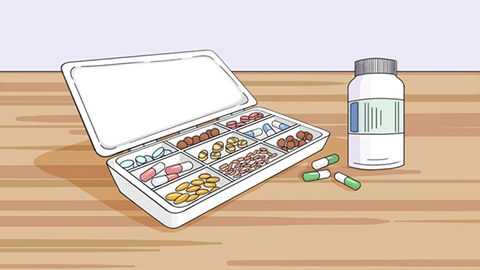
In general, topical medications are the first-line treatment for infantile perianal eczema. However, if the condition is particularly severe and topical therapy alone proves insufficient, oral antihistamines—or short-term, low-dose systemic corticosteroids—may be prescribed under medical supervision. In cases of secondary infection, antibiotics may be administered for anti-inflammatory effect. Furthermore, supplementation with fat-soluble vitamins and medications that modulate nervous system function may also aid in symptom relief.
Dietarily, infants and young children should consume light, easily digestible foods while avoiding or limiting intake of fish and other potential allergens. Overall dietary balance should also be maintained. We hope this information is helpful to you.



