Are colitis, enteritis, and proctitis serious?
Aug 10, 2022
Source: Cainiu Health

Dr. Cheng Yicheng
Introduction
Colitis, enteritis, and proctitis are serious conditions. Active treatment is required if these occur. Proctitis and colitis encompass a wide variety of types; inappropriate treatment or delayed intervention may easily lead to chronic proctitis or colitis, thereby reducing therapeutic efficacy. In severe cases, patients may experience frequent abdominal discomfort, hematochezia, and numerous complications.
Rectal inflammation (proctitis) is a condition caused by infection and inflammation of the rectum. In affected individuals, the rectal mucosa, submucosa, and muscular layers become inflamed. This condition may result from local inflammatory stimuli or injury by foreign bodies, and can also be triggered by hemorrhoids, unhygienic sexual practices, and other factors. Patients may experience symptoms such as rectal pain and bloody stools. So, how serious are colitis, enteritis, and proctitis?
How serious are colitis, enteritis, and proctitis?
Colitis, enteritis, and proctitis are indeed serious conditions. Prompt and active treatment is essential upon diagnosis. There are numerous subtypes of both proctitis and colitis; if treatment is inappropriate or delayed, these conditions may progress to chronic proctitis or chronic colitis, thereby reducing therapeutic efficacy. Severe cases may cause frequent abdominal discomfort, hematochezia (passage of bright red blood in stool), and potentially lead to multiple complications. Pharmacological therapy is recommended; however, drug selection must be guided by the underlying etiology of the proctitis or colitis.
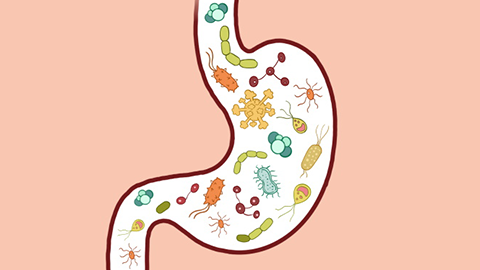
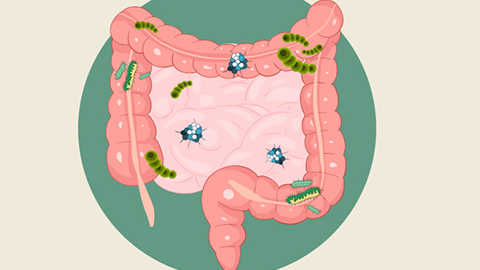
Proctitis commonly manifests as discomfort within or around the anus, along with changes in stool characteristics and bowel habits. Enteritis typically arises from bacterial, fungal, or viral infections, whereas the causes of colitis are diverse and often involve immune- and psychosomatic-related factors.
In daily life, patients should maintain a positive mental outlook, actively cooperate with their physicians during treatment, take prescribed medications on time and in the correct dosage, and pay attention to routine self-care—thus facilitating prompt clinical improvement. We hope this information has been helpful to you.