


How long does a cesarean section uterine scar take to heal?
Aug 11, 2022
Source: Cainiu Health

Dr. Chen Zhe
Introduction
After a cesarean delivery, the uterus requires time to recover—typically about 42 days, though this varies depending on individual circumstances. Postpartum uterine recovery involves three main aspects: recovery of the uterus itself, recovery of the cervix, and recovery of the endometrium. At the end of delivery, the cervix becomes markedly soft, congested, and edematous, requiring approximately seven days to return to its pre-pregnancy state.
An increasing number of women opt for cesarean delivery during childbirth. However, cesarean delivery leaves a scar on the uterus, raising concerns among many. How long does it take for a cesarean uterine scar to heal?
How long does it take for a cesarean uterine scar to heal?
The uterus requires time to recover after cesarean delivery—typically about 42 days. For complete healing of the uterine scar, however, it generally takes one to two years, depending on individual factors. Postpartum uterine recovery involves three main aspects: restoration of the uterine body, cervix, and endometrium. Immediately after delivery, the cervix becomes extremely soft, congested, and edematous, requiring approximately seven days to return to its pre-pregnancy state. In most cases, the cervix regains its normal size by four weeks postpartum.
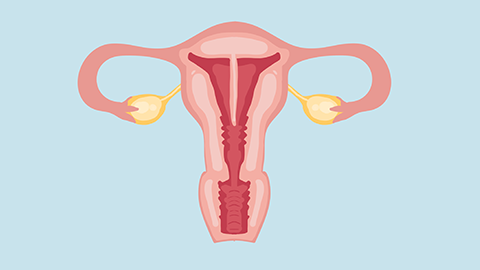
During cesarean delivery, the surgical site is first determined. The obstetrician then performs routine preoperative preparations—including cleansing, shaving, disinfection, and anesthesia—before suturing both the uterine wall and abdominal wall to complete the procedure. The entire operation typically lasts only 30–60 minutes, making it significantly faster than vaginal delivery.
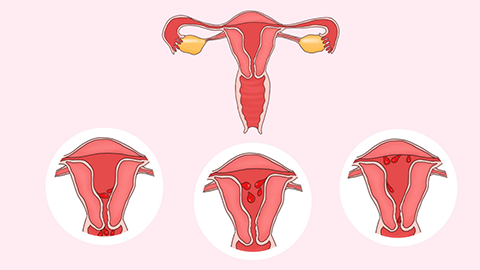
After cesarean delivery, adequate rest is essential. Avoid overexertion and strenuous physical activity, as these may impede postoperative recovery. Maintain a balanced diet—avoid greasy or spicy foods—and consume light, easily digestible meals to effectively support bodily recovery. Local wound hygiene must also be carefully observed postoperatively. Medical gauze may be used to protect the incision site and prevent bacterial infection, which could otherwise lead to wound inflammation or ulceration. We hope this information proves helpful!




