


How to treat a uterine scar with a thickness of 4mm
Jan 24, 2025
Source: Cainiu Health

Dr. Liu Wenmin
Introduction
In general, scars refer to fibrous tissue formed after wound healing. A uterine scar thickness of 4mm can be treated through medication, laser therapy, hysteroscopic repair surgery, microneedling, and radiofrequency skin tightening. It is recommended to visit a reputable hospital and undergo the above procedures under the guidance of a qualified physician to ensure the safety and effectiveness of the treatment. Adequate rest should be taken postoperatively, and strenuous activities should be avoided.
Generally, scars refer to fibrous tissue formed after wound healing. A uterine scar thickness of 4mm can be treated through medication, laser therapy, hysteroscopic scar repair surgery, microneedling, and radiofrequency skin tightening. Detailed explanations are as follows:
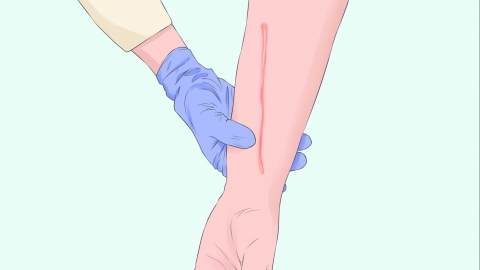
1. Medication Therapy
Under a doctor's guidance, use medications that promote scar healing and reduce scar hyperplasia, such as asiaticoside cream, tretinoin cream, compound polymyxin B ointment, vitamin B6 ointment, and others.
2. Laser Therapy
Laser therapy uses laser energy to stimulate collagen regeneration, promoting scar tissue repair and remodeling. The general reference price for laser therapy is 1,000–4,000 yuan per session. Noticeable improvement can usually be seen within 1–2 months, although symptoms such as skin sensitivity may occur.
3. Hysteroscopic Scar Repair Surgery
Hysteroscopic scar repair surgery involves direct visualization using a hysteroscope to repair and remodel scar tissue. The general reference price for this procedure is 3,000–5,000 yuan per session. Noticeable improvement is typically seen within 2–3 months, although complications such as infection or bleeding may occur.
4. Microneedling
Microneedling involves using a microneedle roller to create micro-injuries on the surface of the uterine scar, activating the skin's self-repair mechanism and promoting collagen synthesis to fill in depressed scars. The general reference price for microneedling is 1,500–3,000 yuan per session. Noticeable improvement usually appears within 1–3 months, although symptoms such as dryness and peeling may occur.
5. Radiofrequency Skin Tightening
Radiofrequency skin tightening delivers radiofrequency energy deep into the skin, targeting the scar tissue precisely. The heat generated causes collagen fibers to contract and reorganize, improving scar tightness and texture. The general reference price is 3,000–6,000 yuan per session. Noticeable improvement typically appears within 4–6 weeks, although temporary symptoms such as swelling or numbness may occur.
It is recommended to visit a reputable hospital and undergo these procedures under the guidance of qualified physicians to ensure safety and effectiveness. Postoperative care includes adequate rest, avoiding strenuous exercise, and maintaining a light, easily digestible diet while avoiding spicy or irritating foods.




