


Precancerous Symptoms of Cervical Cancer
Aug 11, 2022
Source: Cainiu Health

Dr. Chen Zhe
Introduction
Precancerous cervical lesions are typically asymptomatic. When the disease progresses to a certain stage, various clinical manifestations may appear, such as vaginal bleeding, abnormal vaginal discharge (increased volume), foul odor, fever, and weight loss. Patients should seek standardized treatment at a reputable comprehensive hospital. Early-stage cervical lesions are primarily managed surgically; cervical procedures include polypectomy.
As the pace of modern life accelerates, an increasing number of people are recognizing the importance of cancer prevention and health maintenance. Currently, the incidence of cervical cancer is rising steadily, posing a significant threat to public health. What, then, are the early signs of cervical cancer?
Early Signs of Cervical Cancer
In its earliest stages, cervical cancer is typically asymptomatic. Symptoms usually appear only after the disease has progressed to a more advanced stage. These may include abnormal vaginal bleeding, increased vaginal discharge, foul odor, fever, and unexplained weight loss. Patients should seek standardized treatment at reputable comprehensive hospitals. Early-stage cervical cancer is primarily treated with surgical resection. Surgical options for cervical lesions include polypectomy, loop electrosurgical excision procedure (LEEP), cold-knife conization, and radical trachelectomy. Recovery time varies: cervical tissue removal generally takes about two weeks, whereas LEEP and conization procedures typically require approximately one month for full recovery.
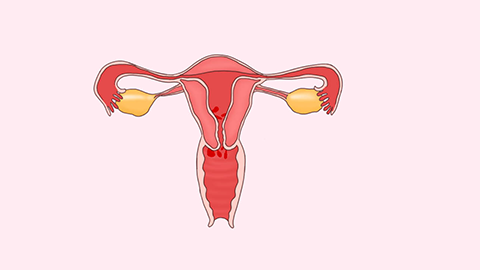
After cervical surgery, mild vaginal bleeding is common. The amount of bleeding is usually minimal and rarely persists beyond seven days. Therefore, patients should closely monitor postoperative vaginal bleeding. If bleeding is heavy or continues for more than ten to twenty days without resolution, it may indicate poor wound healing, necessitating prompt medical evaluation. Additionally, patients should pay attention to any changes in vaginal discharge.

In daily life, patients should maintain a positive mindset, actively cooperate with their physicians’ treatment plans, take prescribed medications as directed—both on schedule and in correct dosage—and adhere to proper self-care practices to facilitate timely improvement of their condition. We hope this information proves helpful to you.





