


What should I do about perianal eczema after hemorrhoid surgery?
Aug 12, 2022
Source: Cainiu Health

Dr. Liu Wan
Introduction
Anal eczema caused by hemorrhoid surgery can be treated with antiallergic medications. Anal eczema is common in patients with hemorrhoids and is associated with prolonged wound healing. Repeated irritation of the wound by feces and intestinal secretions leads to chronic inflammation and granulation tissue proliferation. Copious secretions continuously exude from the wound, irritating the perianal skin and triggering anal eczema, which subsequently causes pruritus, moisture, and a sticky, slippery sensation in the local skin.
Hemorrhoids are a common condition in daily life and cause significant discomfort to patients. In severe cases, surgical intervention is required. So, what should be done if perianal eczema develops after hemorrhoid surgery?
Management of Perianal Eczema Following Hemorrhoid Surgery
Perianal eczema induced by hemorrhoid surgery can be treated with antiallergic medications. Perianal eczema is frequently observed in hemorrhoid patients, particularly when wound healing is prolonged. Prolonged exposure of the surgical wound to feces and intestinal secretions leads to recurrent irritation, resulting in chronic inflammation and granulation tissue proliferation. Persistent exudation from the wound continuously irritates the perianal skin, triggering perianal eczema—characterized by pruritus, moisture, stickiness, and scattered vesicles and papules on the affected skin. This condition may also arise from the use of perianal cleansing disinfectants or sitz bath medications postoperatively, which can exert strong local irritant effects and provoke allergic reactions in the surrounding skin.
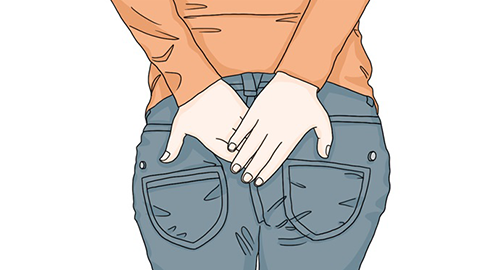
Postoperative rest is essential; patients are advised to remain bedridden for three days following surgery, then gradually resume ambulation. However, physical activity should be kept moderate to prevent excessive movement that could trigger severe postoperative bleeding. Patients must maintain meticulous perianal hygiene and ensure the wound site remains as dry as possible. After each bowel movement, gentle cleansing with warm water and a sitz bath is recommended to promote wound healing. Additionally, broad-spectrum antibiotics should be administered under medical supervision to prevent infection and support optimal wound recovery.

Perianal eczema can be effectively managed by identifying its underlying cause, eliminating potential triggers and allergens, and implementing appropriate antiallergic and sedative therapies. We hope this information proves helpful to you.





