


How is pulpitis (tooth nerve pain) treated?
Aug 14, 2022
Source: Cainiu Health

Dr. Zhang Liwen
Introduction
Patients with pulpitis-related neuralgia can take certain oral analgesics under a physician’s guidance to alleviate mild pain. However, to definitively treat pulpitis-induced pain, they must visit a dental clinic for a pulpotomy. During a pulpotomy, a qualified dentist typically drills a small hole into the tooth surface, thereby exposing the nerve within the pulp chamber and relieving intrapulpal pressure.
Toothache is a very common condition that encompasses several distinct types—some involve gum pain, while others stem from dental nerve pain (odontalgia), which tends to produce more pronounced symptoms. When dental nerve pain occurs, patients often experience significant discomfort, making it difficult to eat or sleep and potentially interfering with daily life and work. So, how is pulpitis-related dental nerve pain treated?
How Is Pulpitis-Related Dental Nerve Pain Treated?
Patients with pulpitis-induced neuralgia may take over-the-counter analgesics under a physician’s guidance to alleviate mild pain. However, definitive treatment of pulpitis requires a visit to a dental clinic for a pulpotomy. During this procedure, a qualified dentist typically drills a small access hole into the tooth surface, thereby exposing the inflamed pulp tissue within the pulp chamber and relieving intrapulpal pressure. This decompression helps reduce pain. Severe pain in pulpitis arises from irritation of the dental pulp nerves, which represent terminal branches of the trigeminal nerve.
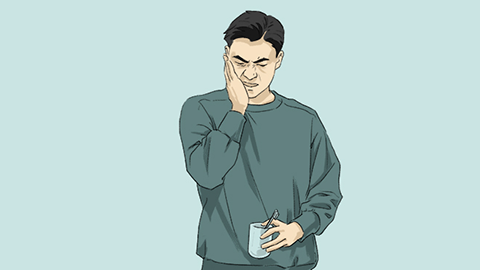
Pulpitis is an inflammatory disease of the dental pulp, and its hallmark symptom is pain. Acute pulpitis causes intense, often excruciating pain—including spontaneous pain, pulsating pain, and pain triggered by thermal stimuli (cold or heat). Notably, this pain is frequently difficult to localize precisely. Following diagnosis of pulpitis, root canal therapy is required. Under local anesthesia, the dentist removes carious, necrotic dentin from the affected tooth, accesses the pulp chamber, extracts the inflamed or necrotic pulp tissue, and appropriately enlarges (shapes) the root canals.

If you recognize any symptoms suggestive of this condition, seek prompt medical evaluation and actively cooperate with your healthcare provider during treatment. We hope this information proves helpful to you.



