Can the peeling skin caused by athlete’s foot be peeled off?
Aug 14, 2022
Source: Cainiu Health

Dr. Liu Wan
Introduction
Do not peel off peeling skin caused by athlete’s foot. Athlete’s foot is often accompanied by itching and a foul odor. When the itching becomes unbearable during a flare-up, many people cannot resist scratching—leading to peeling skin on the feet. Athlete’s foot is typically caused by a fungal infection and commonly affects the soles of the feet. It may also occur between the toes, where the skin surface often develops blisters and/or scaling.
Athlete’s foot (tinea pedis) is a common condition in daily life—especially prevalent during summer. Not only does it significantly impair patients’ daily work and quality of life, but it is also highly contagious to others. So, can the peeling skin associated with athlete’s foot be manually peeled off?
Can the peeling skin of athlete’s foot be peeled off?
No, the peeling skin should never be forcibly removed. Athlete’s foot is typically accompanied by intense itching and an unpleasant odor. When the itching becomes unbearable, many people instinctively scratch, which often leads to skin peeling on the feet. This condition is usually caused by a fungal infection, most commonly affecting the soles of the feet. In some cases, it appears between the toes, where small blisters or scaling may develop on the skin surface. Over time, thickened, hardened skin (hyperkeratosis) may form. Once this layer dries, it may appear tempting to peel—but doing so causes significant pain and risks damaging the underlying skin, potentially leading to secondary bacterial infection. Therefore, patients must exercise particular caution in foot care.

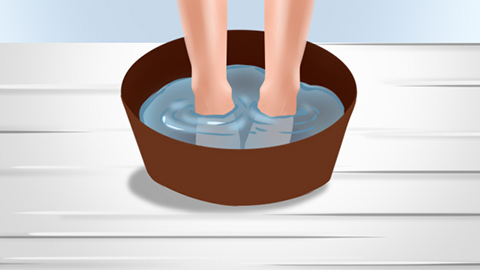
Patients should maintain thorough foot hygiene to prevent athlete’s foot. During summer, those affected should wear breathable shoes and socks. When washing feet, avoid alkaline soaps or other harsh, irritating chemicals. Individuals with closely spaced toes may insert sterile gauze or soft tissue paper between the toes to absorb moisture and promote ventilation, thereby helping keep the feet clean and dry. In public places such as swimming pools and bathhouses, avoid sharing towels, slippers, or other personal items to prevent reinfection.
Dietary considerations are also important: patients should avoid spicy foods—including chili peppers, raw scallions, and raw garlic—as these may stimulate excessive sweating. We hope this information proves helpful.