


Early Symptoms of Cervical Cancer
Aug 14, 2022
Source: Cainiu Health

Dr. Chen Zhe
Introduction
The most typical early symptom of cervical cancer is contact bleeding. Approximately 80% of cervical cancer patients experience vaginal bleeding—a hallmark clinical sign. This type of bleeding commonly occurs after sexual intercourse or during gynecological examinations. Blood may also be observed mixed with vaginal discharge during straining to defecate. Particularly, individuals who experience bleeding after every episode of sexual intercourse should seek prompt medical evaluation to rule out potential pathological conditions.
It is widely known that cervical health is critically important for women. If cervical inflammation is left untreated, it may progress to cervical cancer. So, what are the early symptoms of cervical cancer?
Early Symptoms of Cervical Cancer
The most typical early symptom of cervical cancer is contact bleeding—approximately 80% of cervical cancer patients experience vaginal bleeding. This commonly occurs after sexual intercourse or during gynecological examinations. Blood may also be observed mixed with vaginal discharge during forceful bowel movements. Women who experience recurrent postcoital bleeding should seek prompt medical evaluation to rule out pathological conditions. In postmenopausal women, irregular vaginal bleeding is more common; sudden onset of vaginal bleeding warrants immediate attention.
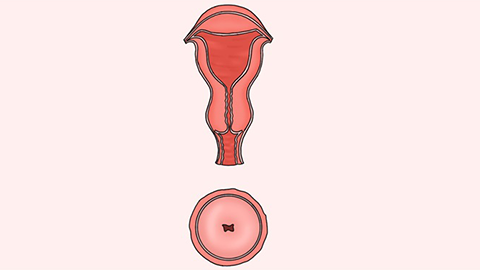
Generally, initial bleeding is minimal and not accompanied by abdominal pain—yet it remains clinically significant, as it may represent an early sign of cervical cancer. Women with early-stage cervical cancer often experience increased vaginal discharge. The primary manifestation is leukorrhea (increased vaginal discharge), which typically appears odorless and colorless in the early stages—appearing only slightly more abundant than normal. Nevertheless, this change should not be overlooked.
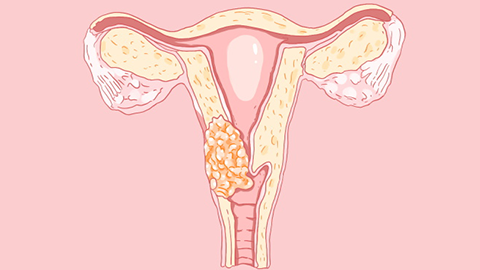
Early cervical cancer may also cause urinary symptoms such as urinary frequency and urgency, as well as hematochezia (blood in stool). In advanced cases, patients may develop lower-limb pain or swelling due to pelvic involvement. Women experiencing any of these symptoms should promptly visit a hospital for thorough evaluation and definitive diagnosis. We hope this article has been helpful. Wishing you a joyful life and good health!





