


What Traditional Chinese Medicine (TCM) herbs are used for hypertension?
Aug 15, 2022
Source: Cainiu Health

Dr. Li Man
Introduction
Commonly used traditional Chinese medicines for treating hypertension include Gastrodia rhizome (Tianma), Uncaria stem with hooks (Gouteng), Eucommia bark (Duzhong), Mulberry leaf (Sangye), and Chrysanthemum flower (Juhua). However, patients should always follow their physician’s instructions and take only the medications prescribed by their doctor. Other traditional Chinese medicines—such as Pearl, Trichosanthes root (Tianhuafen), and Oyster shell (Muli)—also exert beneficial sedative effects on the nervous system and liver-yang hyperactivity, thereby providing some inhibitory effect in hypertensive patients.
Traditional Chinese medicine (TCM) refers to medicinal substances used for treating diseases. Currently, medications available on the market are primarily categorized into TCM and Western pharmaceuticals. Many individuals opt for TCM due to its relatively mild side effects. Hypertensive patients may also use TCM to help regulate their blood pressure. So, which TCM herbs are commonly used for hypertension?
Which TCM Herbs Are Used for Hypertension?
Commonly prescribed TCM herbs for hypertension include Gastrodia rhizome (Tianma), Uncaria stem with hooks (Gouteng), Eucommia bark (Duzhong), Mulberry leaf (Sangye), and Chrysanthemum flower (Juhua). However, it is essential to follow your physician’s guidance when using these herbs—or strictly adhere to prescriptions written by a qualified TCM practitioner. Other herbs such as pearl powder, Trichosanthes root (Tianhuafen), and oyster shell (Muli) exert calming effects on the nervous system and help subdue hyperactive liver yang, thereby offering certain antihypertensive benefits. Many people assume that TCM causes no obvious adverse effects and poses minimal risk to human health; thus, they tend to choose TCM whenever they fall ill.
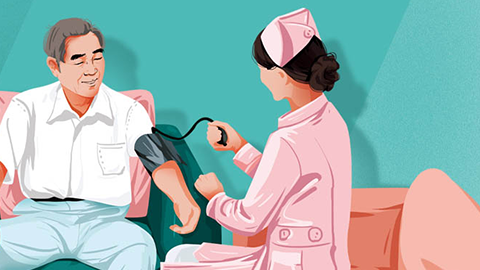
Hypertensive patients must maintain regular work and rest schedules, adopt a balanced diet, and take prescribed medications to keep blood pressure within the normal range. In daily life, establish consistent routines—avoid prolonged late-night activity, ensure adequate sleep, maintain stable emotional well-being, and refrain from frequent outbursts of anger. Avoid excessive physical or mental fatigue. Adopt a low-fat, low-salt, and low-oil diet. Refrain from consuming high-cholesterol foods, including animal fats, organ meats (e.g., liver, kidneys, lungs), pastries, fried foods, cheese, and pickled or preserved foods.
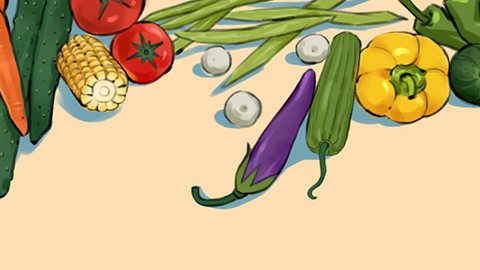
Incorporate ample fresh vegetables and fruits into your diet. Under your physician’s supervision, appropriately utilize effective antihypertensive medications and regularly monitor your blood pressure. We hope this information proves helpful to you.



