


Which acupoints should be pressed for dysmenorrhea?
Aug 15, 2022
Source: Cainiu Health

Dr. Chen Zhe
Introduction
Patients with dysmenorrhea often exhibit cord-like nodules or marked tenderness upon palpation along the medial border of the tibia (shinbone) on the lower leg. To help prevent dysmenorrhea, individuals can regularly self-apply pressure to the medial edge of the tibia. A key acupoint located here is the Sanyinjiao (SP6) point. Sanyinjiao lies three cun above the medial malleolus—approximately at the level of three finger-breadths above the medial malleolus, along the posterior border of the tibia. Patients with dysmenorrhea frequently experience pronounced tenderness at this location.
Dysmenorrhea typically refers to lower abdominal pain experienced by women before, during, or shortly after menstruation. Patients experiencing this condition may alleviate symptoms through acupressure. So, which acupoints should be pressed for dysmenorrhea?
Which Acupoints Should Be Pressed for Dysmenorrhea?
Patients with dysmenorrhea often detect cord-like nodules or marked tenderness along the medial border of the tibia on the lower leg. To prevent dysmenorrhea, one can regularly apply pressure to this medial tibial border. A particularly important acupoint located here is the Sanyinjiao (SP6) point, situated three cun above the medial malleolus—approximately three finger-widths above the medial malleolus, along the posterior border of the tibia. Patients with dysmenorrhea frequently exhibit pronounced tenderness at this site; thus, the most tender spot nearby should be identified and gently pressed. Another key acupoint for treating dysmenorrhea is the Shiseizhui (EX-B7), located at the spinous process of the fifth lumbar vertebra. During dysmenorrhea, this location may shift slightly; therefore, the most tender spot should be sought along the midline of the lumbar spine—perhaps just below the waistband—and then gently massaged, followed by application of a hot water bottle.
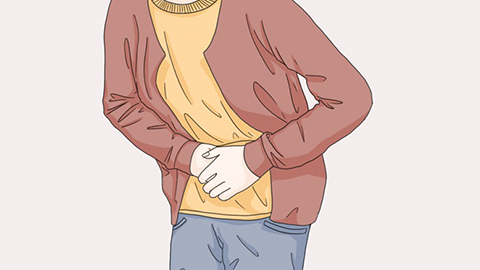
If no organic abnormalities are present in the reproductive organs and menstrual irregularities arise solely from environmental factors—leading to primary dysmenorrhea—this is often associated with psychological anxiety or fear, which stimulate the central nervous system and trigger pelvic pain. Conversely, secondary dysmenorrhea occurs when menstrual disturbances result from organic pathology within the pelvic region.
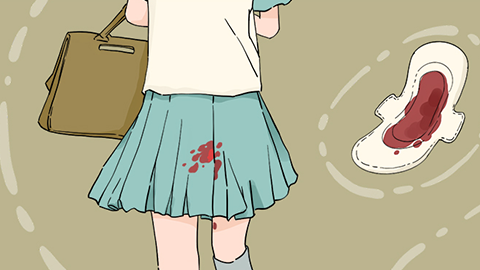
In fact, there is also a simple home remedy and practical tip for managing dysmenorrhea: inserting alcohol-soaked cotton balls into the ears may help relieve menstrual pain. We hope this article proves helpful to you!




