


What type of insomnia is characterized by a lack of sleepiness?
Aug 15, 2022
Source: Cainiu Health

Dr. He Haochen
Introduction
Lack of sleepiness is a type of insomnia characterized by difficulty initiating sleep. Specifically, insomnia disorder is clinically defined by recurrent and persistent difficulty falling asleep, often impairing daytime social functioning; it is one of the most common sleep disorders encountered in clinical practice. Under appropriate sleep timing and conducive sleep environments, insomnia tends to be chronic, recurrent, or persistent. Once it develops, it typically disrupts normal daily life and work.
Insomnia is a very common phenomenon. If it persists for an extended period, attention should be paid, as it may indicate an underlying medical condition. Chronic, untreated insomnia can lead to significant dysregulation of bodily functions and adversely affect the patient’s quality of life. So, what type of insomnia is characterized by a lack of sleepiness?
What Type of Insomnia Is Characterized by a Lack of Sleepiness?
A lack of sleepiness is classified as “sleep-onset insomnia.” Specifically, this type of insomnia is defined by recurrent and persistent difficulty initiating sleep, frequently impairing daytime social and occupational functioning. It is one of the most common clinical sleep disorders. Even under appropriate sleep timing and conducive sleep environments, sleep-onset insomnia tends to be chronic, recurrent, or persistent. Once established, it typically interferes with normal daily life and work performance. Active treatment is recommended, encompassing both non-pharmacological and pharmacological approaches. Non-drug therapies include cognitive-behavioral therapy for insomnia (CBT-I) and sleep restriction therapy.
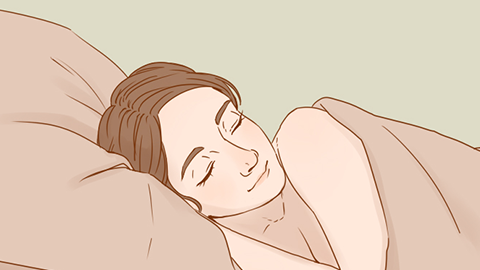
Non-pharmacological interventions involve minimizing or eliminating factors that disrupt sleep—such as limiting naps to no more than 30 minutes, avoiding caffeine in the evening, and refraining from heavy meals before bedtime. Non-drug treatments are generally considered the first-line clinical approach. Pharmacological treatment is typically reserved for cases where non-pharmacological strategies prove insufficient; commonly prescribed medications include diazepam tablets, right-zopiclone tablets, and zopiclone tablets.
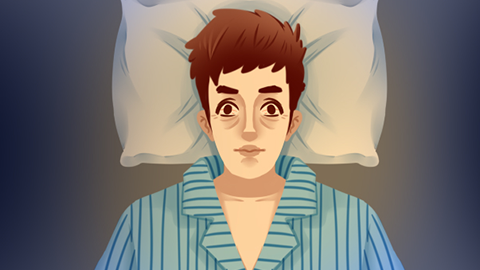
In daily life, cultivating healthy lifestyle and dietary habits is essential. We hope this information has been helpful to you.



