


How to Remove Tonsil Stones
Aug 15, 2022
Source: Cainiu Health

Dr. Xu Gang
Introduction
Tonsil stones are typically removed surgically. Their formation results from chronic long-standing inflammation and obstruction of the tonsillar crypts; therefore, both the stones and the tonsils must be surgically excised. If the tonsils are not removed, simple stone extraction may leave food debris within the tonsillar crevices, leading to chronic inflammatory reactions over time and potentially causing recurrence of the stones.
White granules on the tonsils—or occasionally coughing up rice- or soybean-sized particles with a fishy odor—typically indicate tonsil stones. So, how are tonsil stones removed?
How to Remove Tonsil Stones
Tonsil stones are typically removed surgically. They form as a result of chronic inflammation and obstruction of the tonsillar crypts; therefore, both the stones and the tonsils themselves generally require surgical removal. If the tonsils are left intact and only the stones are extracted, food debris may remain lodged in the tonsillar crevices, leading over time to chronic inflammatory responses and potential recurrence of stones. Thus, timely surgical removal of the tonsils is recommended for definitive treatment. In addition to surgery, manual tonsil massage and irrigation may be used to flush out foreign material and small stones. However, these non-surgical methods do not address the underlying inflammation, so stone recurrence remains possible.
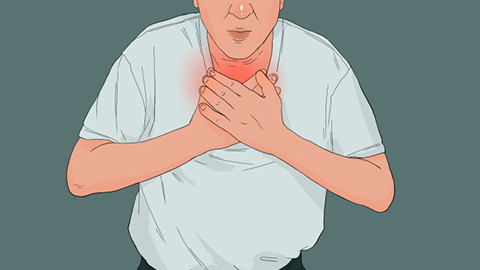
During recovery, patients should prioritize rest, drink plenty of water, and maintain regular physical activity to strengthen their overall health. Those undergoing surgical treatment must follow their physician’s postoperative care instructions carefully. Diet should be light and easily digestible; adequate hydration helps maintain regular bowel movements. Patients should consume ample fresh fruits and vegetables to ensure sufficient vitamin intake. Moderately incorporating heat-clearing foods—such as bitter melon and winter melon—is also beneficial. Oral hygiene must be diligently maintained: brush teeth twice daily and rinse mouth after meals. Smoking should be avoided entirely, and alcohol consumption limited.
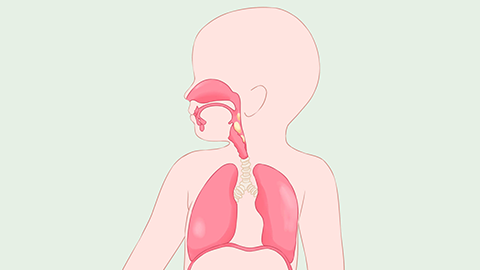
Patients should continue to nurture their health following treatment. We hope this information proves helpful.


