


How to Recover from a Mild Stroke
Aug 22, 2022
Source: Cainiu Health

Dr. Yang Jun
Introduction
Mild strokes typically recover fully following drug treatments aimed at improving cerebral circulation and providing neurotrophic support. Mild strokes are more commonly observed in patients with lacunar cerebral infarction; the associated neurological deficits are generally not severe, and symptom progression usually occurs only after recurrent episodes of mild stroke. With appropriate treatment, the majority of mild strokes resolve completely.
Stroke is a very common condition in daily life, particularly prevalent among the elderly. To prevent stroke, proactive preventive measures must be taken before onset, and progression of symptoms must be avoided. Since stroke can significantly impact physical health, prompt treatment is essential once it occurs. So, how can one recover fully after a mild stroke?
Recovery from Mild Stroke
With appropriate medical treatment—including medications to improve cerebral circulation and provide neurotrophic support—most patients with mild stroke can achieve full recovery. Mild strokes are more frequently observed in patients with lacunar cerebral infarction; in such cases, neurological deficits are relatively mild. However, recurrent episodes of mild stroke may lead to progressive symptom deterioration. With timely and effective treatment, the majority of mild strokes resolve completely.
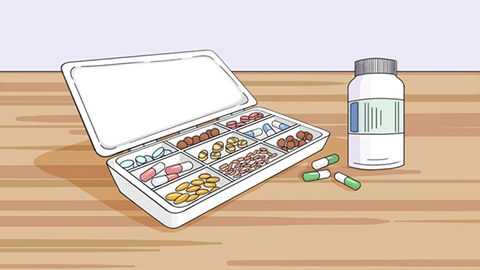
Mild stroke is primarily managed with antiplatelet aggregation therapy. Additionally, under physician supervision, patients may receive traditional Chinese medicines promoting blood circulation and removing blood stasis, as well as agents that enhance cerebral metabolism. It is equally important to control underlying risk factors—such as hypertension, hyperglycemia, hyperlipidemia, and hyperhomocysteinemia—and strive to maintain blood pressure, lipid levels, and blood glucose within target ranges. Regular monitoring of liver and kidney function is also necessary to prevent drug-induced hepatic or renal dysfunction associated with long-term medication use.
In daily life, stroke patients should adhere to a light, balanced diet, avoid overeating or binge eating, and limit intake of greasy foods. Spicy and irritating foods should be avoided, and smoking and alcohol consumption must be discontinued. We hope this information proves helpful to you.





