


Why does a stroke in elderly people result in weak massage or lack of strength during massage?
Dec 10, 2025
Source: Cainiu Health

Dr. Sun Lianqing
Introduction
The lack of strength in massage after stroke in elderly individuals is mainly related to nerve function damage, disuse muscle atrophy, impaired blood circulation, abnormal nutritional metabolism, and the presence of other underlying diseases. If the weakness progressively worsens or is accompanied by limb numbness or restricted movement, prompt medical attention is necessary. A stroke damages the brain's motor center and interrupts neural conduction pathways.
After a stroke, elderly individuals may experience weakness during massage therapy, primarily due to nerve function damage, disuse muscle atrophy, circulatory disorders, abnormal metabolism, or the presence of other underlying medical conditions. If weakness progressively worsens or is accompanied by limb numbness or restricted movement, prompt medical attention is necessary.
1. Nerve Function Damage: A stroke can damage the brain's motor center and interrupt neural conduction pathways, impairing normal control over muscle contraction. During massage, muscles lack proper neural signals and thus exhibit weakness. The severity of weakness correlates with the extent of neural injury.
2. Disuse Muscle Atrophy: Reduced physical activity following a stroke leads to prolonged lack of exercise in affected limbs. This causes muscle fibers to thin and muscle mass to decrease. As a result, muscles cannot generate sufficient contractile force during massage, leading to obvious weakness.
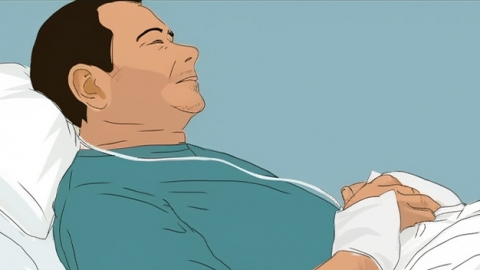
3. Circulatory Disorders: Stroke may impair blood circulation in the limbs, resulting in inadequate oxygen and nutrient supply to muscles and accumulation of metabolic waste. This reduces muscle contractility, causing a sensation of weakness during massage, possibly accompanied by cold limbs.
4. Metabolic and Nutritional Abnormalities: Post-stroke elderly patients may suffer from eating difficulties or poor digestion and absorption, leading to insufficient intake of essential nutrients such as proteins and vitamins. This impairs muscle synthesis and contributes to weakness, which becomes particularly evident during massage.
5. Coexisting Chronic Conditions: If elderly patients have additional conditions such as hypokalemia or hypothyroidism, muscle function can be further compromised. These issues compound the effects of post-stroke damage, making weakness more pronounced during massage.
Treatment should focus on restoring neurological function, combined with rehabilitation exercises to reactivate muscles, while also improving circulation and nutritional status. In terms of care, it is important to ensure balanced nutrition and assist the patient with passive limb movements to prevent further muscle atrophy and support functional recovery.






