


Can severe osteoporosis be cured?
Aug 22, 2022
Source: Cainiu Health

Dr. Lin Yunfei
Introduction
Severe osteoporosis can also be effectively treated. First, the underlying cause of osteoporosis must be identified—such as hyperparathyroidism, kidney disease, or diabetes—and the primary condition must be treated accordingly. Second, foundational therapy should be initiated, including supplementation with vitamin D and calcium, and the latest anti-bone-resorption medication—bisphosphonates—should be started promptly.
Osteophyte formation—commonly referred to as “bone spurs”—is a chronic joint disorder frequently observed in middle-aged and elderly individuals. It may cause localized redness, swelling, and pain, leading to impaired mobility and significantly affecting patients’ daily lives. So, can severe osteoporosis be cured?
Can Severe Osteoporosis Be Cured?
Yes, even severe osteoporosis can be effectively treated. First, the underlying cause must be identified—for example, hyperparathyroidism, kidney disease, or diabetes—and appropriately managed or resolved. Second, foundational treatment should be initiated, including supplementation with vitamin D and calcium, along with prompt administration of the latest anti-bone-resorption medication—bisphosphonates. This approach helps prevent ongoing bone loss and may reverse decreased bone mineral density (BMD), thereby achieving therapeutic goals for severe osteoporosis. Additionally, certain traditional Chinese medicines have demonstrated favorable efficacy in treating severe osteoporosis.
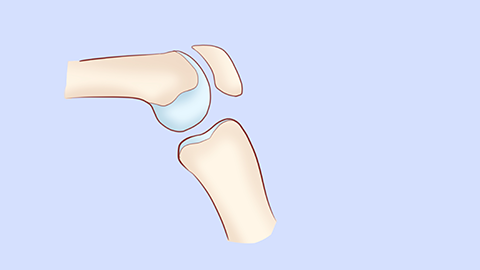
With proper, evidence-based treatment, most patients with severe osteoporosis experience favorable clinical outcomes. The fundamental principles of osteoporosis management include reducing the rate of bone loss, restoring lost bone mass, alleviating symptoms, and preventing complications such as fractures. Pharmacotherapy helps restore the balance between bone resorption and bone formation. Surgical interventions—including vertebroplasty and kyphoplasty—are indicated for patients with thoracolumbar compression fractures and offer marked analgesic effects. Exercise therapy and appropriate physical activity can increase bone mass and reduce fracture risk.
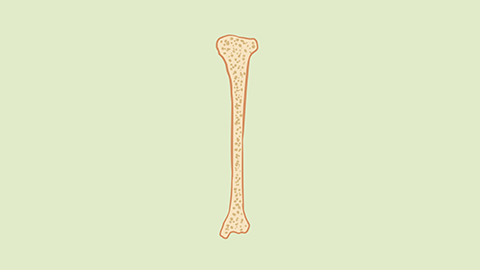
In daily life, individuals should consume calcium-rich foods such as milk and soy products. Those with lactose intolerance may opt for yogurt or dietary supplements like calcium tablets. In cases of severe symptoms, prompt medical consultation is essential; patients should actively cooperate with their physicians’ recommended treatment plans to prevent disease progression. We hope this information proves helpful to you.







