


Is a blood pressure reading of 140/90 mmHg considered hypertension?
Aug 22, 2022
Source: Cainiu Health

Dr. Li Man
Introduction
A blood pressure reading of 140/90 mmHg qualifies as hypertension—and specifically, severe hypertension. Hypertension can be diagnosed if systolic blood pressure exceeds 140 mmHg and diastolic blood pressure exceeds 90 mmHg on three or more separate occasions measured on different days. Currently, the risk of developing hypertension is high. Patients should therefore place greater emphasis on improving their lifestyle, primarily by adopting a light, low-salt, and low-fat diet.
Hypertension is a serious cardiovascular disease characterized by high prevalence and severe complications. It is now one of the leading causes threatening human health; yet, many individuals remain unaware or indifferent, managing their condition independently—leading to greater harm and regret. So, does a blood pressure reading of 140/90 mmHg indicate hypertension?
Does a blood pressure reading of 140/90 mmHg indicate hypertension?
Yes, a reading of 140/90 mmHg meets the diagnostic criteria for hypertension—and specifically indicates stage 1 hypertension. If systolic blood pressure (SBP) exceeds 140 mmHg and/or diastolic blood pressure (DBP) exceeds 90 mmHg on three or more separate occasions measured on different days, a diagnosis of hypertension can be established. Currently, the risk of developing hypertension remains high. Patients should therefore prioritize lifestyle modifications, including adopting a light, low-salt, and low-fat diet. They should also increase intake of foods rich in dietary fiber, vitamins, protein, and trace elements, and engage in appropriate aerobic exercise.
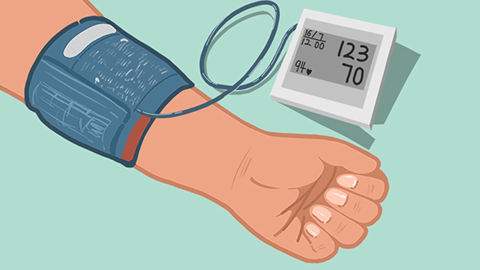
Hypertension is currently one of the most common chronic diseases. It is characterized by high prevalence, high mortality, and high disability rates. For conditions like hypertension, lifestyle interventions form the cornerstone of management, with pharmacotherapy serving as an adjunctive measure. According to current diagnostic guidelines, hypertension is defined as a systolic blood pressure ≥140 mmHg and/or a diastolic blood pressure ≥90 mmHg.

In daily life, patients should maintain a positive mental outlook, actively cooperate with physicians during treatment, take prescribed medications consistently and as directed, and pay close attention to routine self-care—so as to achieve prompt clinical improvement. We hope this response has been helpful to you.









