


Symptoms of Pneumonia in Babies
Aug 23, 2022
Source: Cainiu Health

Dr. Xie Zixing
Introduction
The main symptoms of pneumonia in infants include fever, cough, and wheezing—these are the most common clinical manifestations. As the condition worsens, additional symptoms may appear, such as refusal to eat, lethargy, irritability, wheezing, and respiratory distress. If your child exhibits any of these signs, prompt medical attention at a hospital is essential. In the early stage, fever in children typically ranges from 38°C to 40°C.
Infants’ respiratory systems and lungs are not yet fully developed. Additionally, their immune systems are weak, making them highly susceptible to pneumonia. Pediatric pneumonia is most commonly caused by infectious agents, which can severely compromise lung health in children. Early detection and prompt treatment of this condition can effectively minimize its harmful effects. So, what are the symptoms of pneumonia in infants?
Symptoms of Infant Pneumonia
The primary symptoms of infant pneumonia include fever, cough, and wheezing—these being the most frequently observed signs in clinical practice. As the disease progresses, additional symptoms may emerge, such as refusal to feed, lethargy, irritability, wheezing, and respiratory distress. If your child exhibits any of these signs, you must seek immediate medical attention at a hospital. In the early stage, infants typically develop a fever ranging from 38°C to 40°C. Most children experience remittent or irregular fever patterns. Respiratory symptoms—such as cough and nasal congestion—are usually prominent early on.
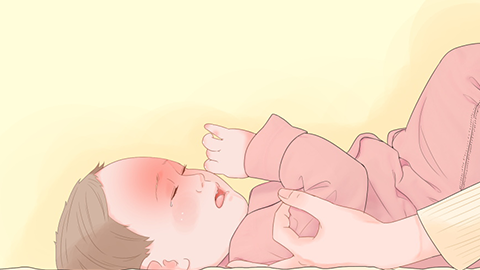
The hallmark symptoms of infant pneumonia are cough, productive sputum (phlegm), and dyspnea (difficulty breathing). Other associated manifestations may include fever, rhinorrhea (runny nose), sneezing, loss of appetite, and listlessness. This condition arises from pulmonary inflammation, often triggered by viral infection. Prompt evaluation and treatment at a reputable hospital are essential. Under a physician’s guidance, appropriate anti-pneumonia medications—including antitussives and expectorants—should be administered. In daily life, children should avoid consuming greasy or high-sugar processed foods and should drink plenty of water.
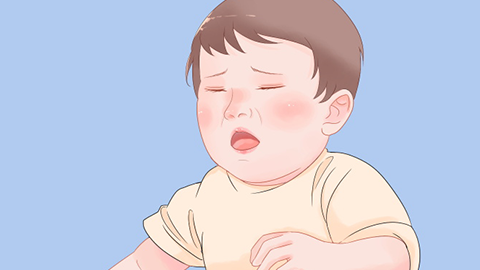
We recommend early detection and timely intervention, as this generally leads to excellent therapeutic outcomes. We hope this information proves helpful to you.





