


Symptoms of Aspiration Pneumonia
Aug 23, 2022
Source: Cainiu Health

Dr. Guo Xiheng
Introduction
Aspiration pneumonia generally refers to chemical pneumonitis caused by the inhalation of acidic substances, food, or irritating liquids into the lungs. Common symptoms include fever, dyspnea, and cough with sputum production. In addition to these typical manifestations, aspiration pneumonia may also present with lethargy, tachycardia, and chest pain. Prompt medical evaluation and treatment at a hospital are recommended upon diagnosis.
Pneumonia is, in fact, a general term for diseases affecting the lungs and encompasses many different types—including aspiration pneumonia. This is a very common condition that typically presents with clear, noticeable symptoms. In severe cases, patients may experience dyspnea (shortness of breath), recurrent episodes of illness, and even psychological distress, which can impair both work performance and daily life. So, what are the symptoms of aspiration pneumonia?
Symptoms of Aspiration Pneumonia
Aspiration pneumonia generally refers to chemical inflammation and injury of the lung tissue caused by the inhalation of acidic substances, food particles, or irritating liquids into the airways and lungs. Common symptoms include fever, dyspnea, and cough with sputum production. A detailed breakdown follows:
1. Fever
Following infection with aspiration pneumonia, patients’ body temperature often rises above 37.2°C, accompanied by chills and pallor of the lips.
2. Dyspnea
In more severe cases—especially when the inflammatory process involves a large area of lung tissue—patients may feel short of breath, experience tachypnea (rapid breathing), dyspnea, or even asphyxia.

3. Cough and Sputum Production
Patients with aspiration pneumonia commonly experience throat irritation and persistent coughing. The cough typically worsens within 1–2 weeks; upon rupture of a pulmonary abscess, copious amounts of purulent, foul-smelling sputum may be expectorated—indicative of pulmonary abscess rupture.
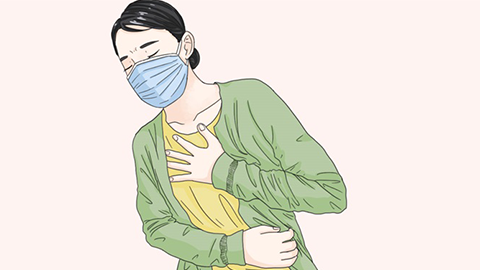
In addition to the above common symptoms, aspiration pneumonia may also cause lethargy, tachycardia, and chest pain. Aspiration pneumonia exhibits distinct clinical features; therefore, prompt medical evaluation and treatment at a hospital are strongly recommended. We hope this information has been helpful to you.




