


What Are the Types of Dental Restorative Materials?
Aug 24, 2022
Source: Cainiu Health

Dr. Zhang Liwen
Introduction
Dental restorative materials for treating caries are broadly categorized into two types:
1. **Glass ionomer cement (GIC)**: This material contains glass ionomer, which releases fluoride to help prevent secondary caries. It exhibits low pulp irritation and bonds chemically to tooth structure, making it widely used in clinical practice.
2. **Composite resin**: This material offers excellent aesthetics with stable coloration and strong adhesion to tooth structure.
In daily life, many patients experience dental problems as they age. When teeth become compromised and can no longer function properly for chewing, restorative materials are often used for repair. So, what are the available dental restorative materials?
What Are Dental Restorative Materials?
Dental restorative materials for treating caries fall broadly into two categories: direct restorative materials and indirect restorative materials. Direct restorative materials include: 1. Glass ionomer cement (GIC): Contains glass ionomer, which releases fluoride to help prevent secondary caries. It exhibits low pulp irritation, good adhesion to tooth structure, and is therefore widely used. 2. Composite resin: Offers excellent aesthetics with stable coloration, strong bonding to tooth structure, and superior marginal integrity—making it one of the most commonly used direct restorative materials. Indirect restorative materials are used for prosthetic reconstructions such as inlays or full-coverage crowns. These may be fabricated from all-ceramic, porcelain-fused-to-metal (PFM), or full-metal alloys.
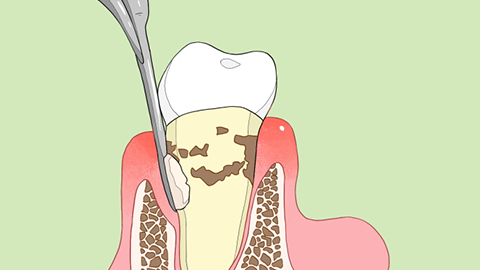
When restoring carious lesions, it is essential to thoroughly remove all demineralized and infected dentin. After complete excavation, the cavity should ideally be disinfected with 75% alcohol. Additionally, the prepared cavity must possess both adequate resistance form (to withstand occlusal forces) and retention form (to secure the restoration). For deep cavities, a base layer of resin-modified glass ionomer or flowable composite is typically placed first, followed by the final composite resin restoration.
After restoration, patients should avoid hard or sticky foods to prevent fracture or dislodgement of the filling material. In summary, clinicians must clearly explain postoperative instructions and precautions to patients following caries restoration. We hope this information is helpful to you!



