


Can baking soda be used to clean teeth?
Sep 07, 2026
Source: Cainiu Health

Dr. Liu Chao
Introduction
Baking soda is not recommended for direct use in cleaning teeth. Its particles are relatively hard—while short-term use may remove some surface stains, prolonged use can wear down tooth enamel and cause dental sensitivity. It cannot remove dental calculus and is not a substitute for professional dental cleaning. If you frequently experience tooth sensitivity or recurrent gum bleeding, seek prompt medical attention for oral evaluation and treatment.
It is not recommended to use baking soda directly for tooth cleaning. Its granules are relatively hard—while short-term use may remove some surface stains, prolonged use can wear down tooth enamel and lead to dental sensitivity. Baking soda cannot remove dental calculus (tartar) and should never replace professional dental cleaning. If you experience frequent tooth sensitivity or recurrent gum bleeding, seek prompt dental evaluation and treatment.
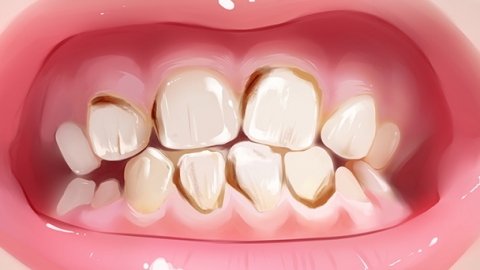
Baking soda is an alkaline particulate substance. Brief application on tooth surfaces may temporarily lighten extrinsic pigmentation, creating a false impression of teeth whitening. However, during brushing, its abrasive particles gradually wear away the enamel. Since enamel cannot regenerate once damaged, dentin becomes exposed, resulting in sensitivity to hot or cold stimuli. Additionally, its alkalinity disrupts the natural pH balance of the oral environment and may irritate delicate gingival soft tissues.
Dental calculus adhering to tooth surfaces is highly calcified; the mild abrasive action of baking soda is insufficient to break it down. Accumulated calculus continuously irritates the gums, potentially triggering gingivitis and periodontitis. To effectively remove calculus and stubborn pigmentation, professional ultrasonic scaling at a dental clinic is required. For daily oral care, use an approved fluoride-containing toothpaste to maintain enamel integrity and support periodontal health.
Use gentle brushing pressure and adopt a soft brushing technique. Complement brushing with dental floss to remove food debris from interdental spaces. Limit intake of strong tea and other highly pigmented beverages to slow down extrinsic staining and help preserve the integrity of tooth surface hard tissues over time.


